オーストラリア・ニュージーランドの鉄道を紹介します!
AUandNZ Railfan
Australia and New Zealand Railfan
NSW鉄道博物館 CPH気動車18号乗車体験
NSW Rail Museum CPH18 Vintage Railmotor Ride
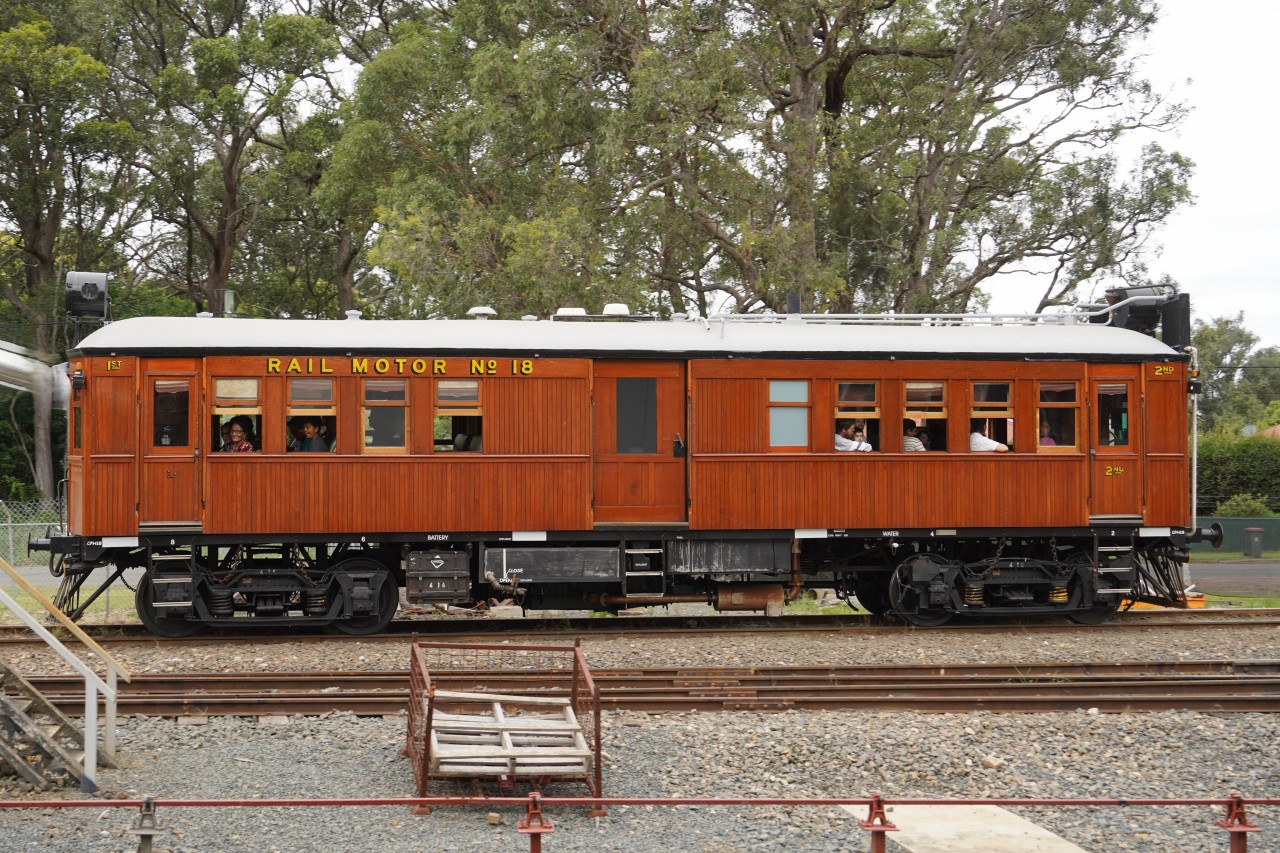
CPH Rail Motor No.18, preserved in operational condition at a railway museum in New South Wales, Australia. Built in 1923, this historic rail motor still operates on special heritage runs today.
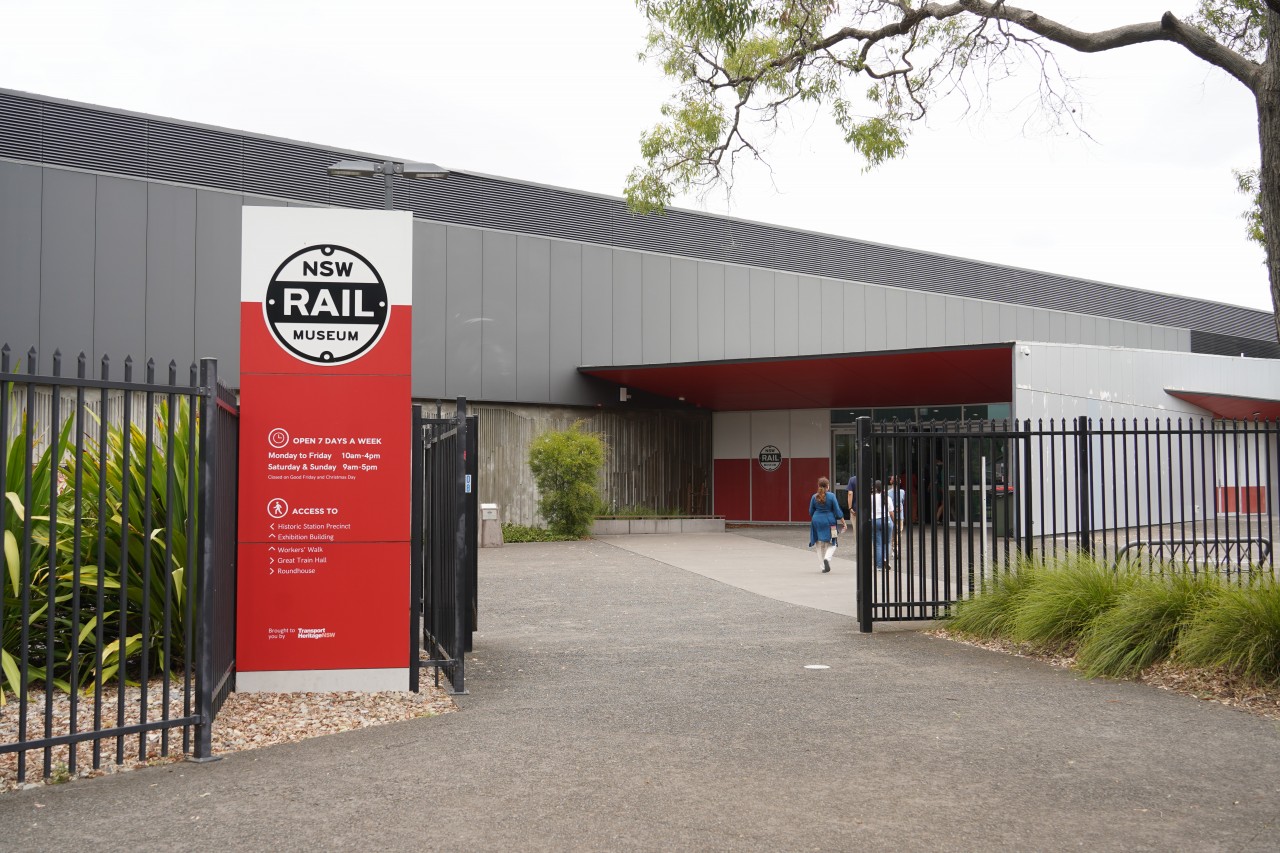
オーストラリア・ニューサウスウェールズ州ピクトン駅近くにあるNSW鉄道博物館は、歴史的な蒸気機関車や電車、気動車などを保存・展示する鉄道博物館です。動態保存車両による特別運転も行われており、オーストラリア鉄道の歴史を体験できます。シドニー方面からは鉄道やバスでもアクセス可能です。
The NSW Rail Museum, located near Picton Station in New South Wales, Australia, preserves and displays historic steam locomotives, electric trains, and rail motors. The museum also operates heritage train rides, allowing visitors to experience the history of Australian railways firsthand. It can be accessed from Sydney by both train and bus services.
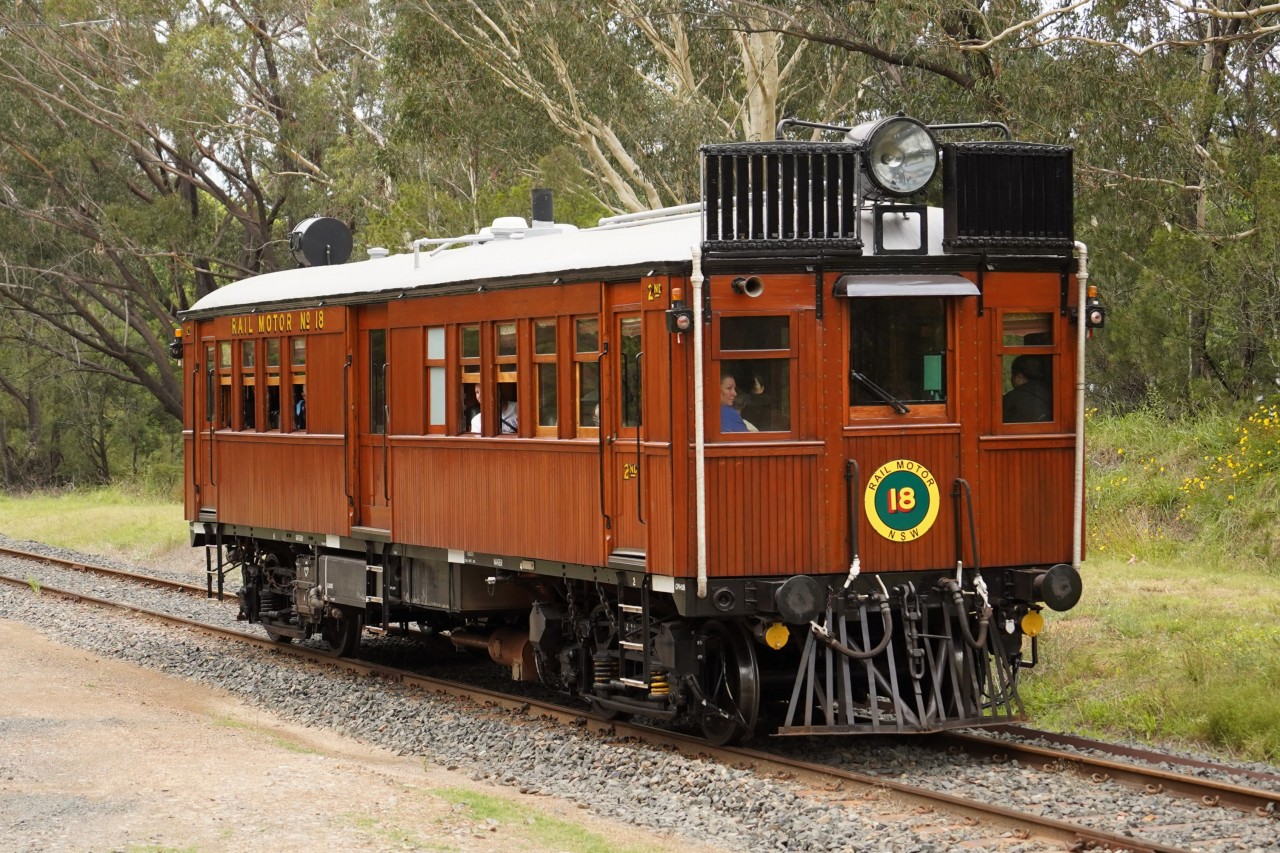
NSW鉄道博物館で動態保存されているCPH18は、1923年に製造されたCPH型気動車の1両です。軽量な車体と小型エンジンを備え、ニューサウスウェールズ州各地の支線区で活躍しました。車体屋根上には特徴的な大型ラジエーターが設置されており、その外観から「Tin Hare(ブリキのうさぎ)」の愛称でも親しまれています。現在は博物館によって整備・保存され、特別運転では歴史あるエンジン音やレトロな車内を今でも体験できます。
CPH Rail Motor No.18, preserved in operational condition at the NSW Rail Museum is one of the CPH class rail motors built in 1923. Featuring a lightweight body and compact engines, these rail motors once operated on branch lines across New South Wales. The class is well known for its distinctive large roof-mounted radiator and earned the nickname “Tin Hare” because of its appearance and fast acceleration. Today, No.18 is maintained by the museum and still operates on special heritage services, allowing visitors to experience its historic engine sounds and vintage interior.
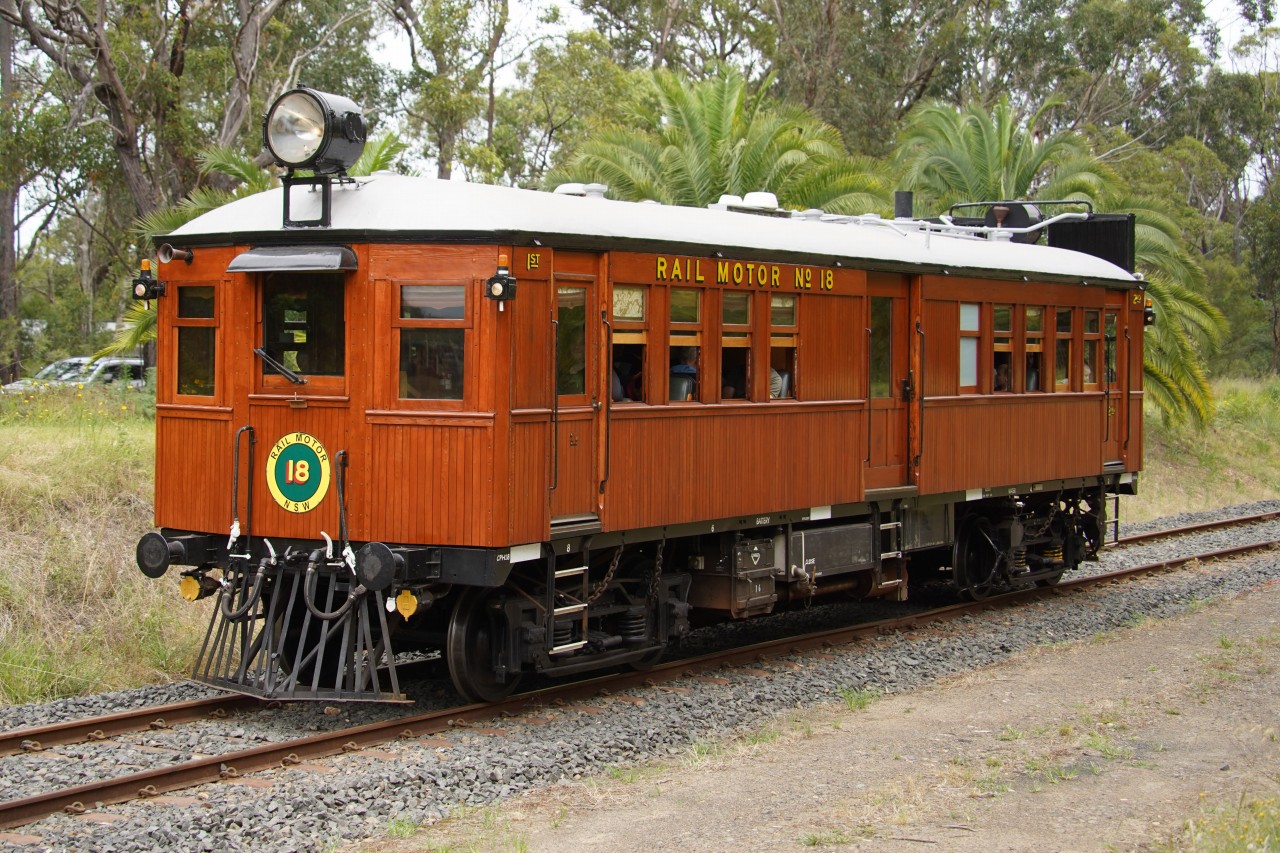
特徴的な車両上部の大型ラジエーターは、下り方面側にのみ設置されており、シドニー・セントラル駅方面となる上り側には設置されていません。
車体には木材が多く使用されており、クイーンズランド産の木材や松、杉などによって造られました。窓下には木製パネルが使われており、レトロで温かみのある外観となっています。また、車体を支える台枠にはワーレントラス構造が採用され、ボルトやリベットを使用せず、電気アーク溶接によって組み立てられました。これは当時としては先進的な構造で、オーストラリアの鉄道車両では初期の溶接構造車両のひとつとされています。
The CPH class features a distinctive large roof-mounted radiator fitted only on the country-end side of the vehicle, while the Sydney Central Station end does not have one.
The body of the CPH rail motor was built mainly from timber, including Queensland wood, pine, and cedar. Wooden panels below the windows give the vehicle its warm and vintage appearance. The underframe used a Warren truss design and was assembled by electric arc welding without using bolts or rivets. This was an advanced construction method for the time and made the CPH class one of the earliest welded railway vehicles in Australia.
CPH型気動車の車内は、中央に乗降用デッキを兼ねた荷物スペースが設けられているのが特徴です。このスペースを中心として車内は左右に分かれており、一方がファーストクラス、もう一方がセカンドクラスとなっています。乗降口と荷物室を中央に配置する構造は、日本のJR九州の783系「ハイパーサルーン」にもよく似たレイアウトとなっております。
The interior layout of the CPH rail motor features a central luggage area combined with a boarding deck. The passenger compartments are divided on either side of this space, with one section designated as First Class and the other as Second Class. This arrangement is remarkably similar to the layout of JR Kyushu’s 783 series “Hyper Saloon” trains in Japan, making it an interesting similarity between railway designs from different countries and eras.
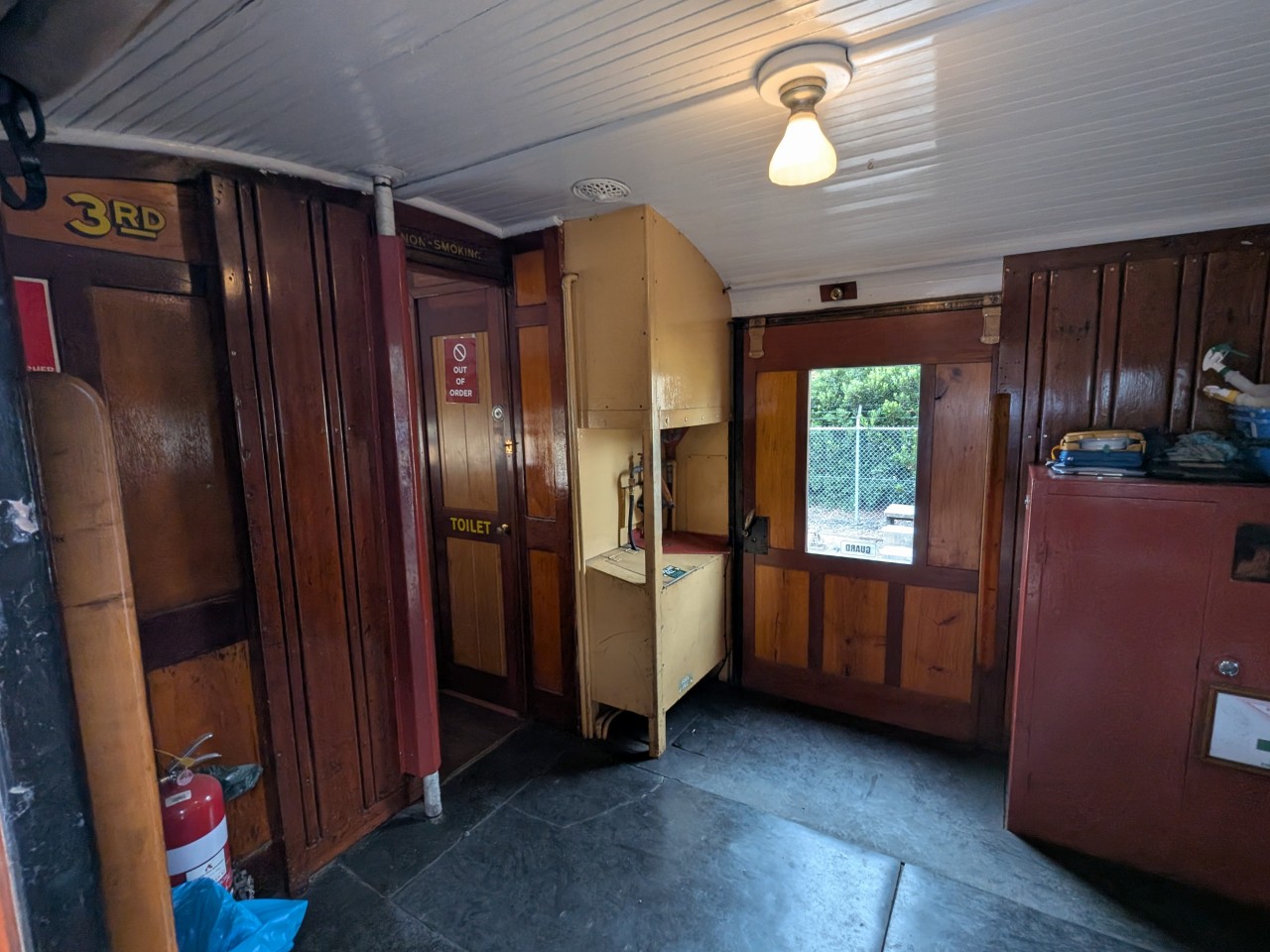
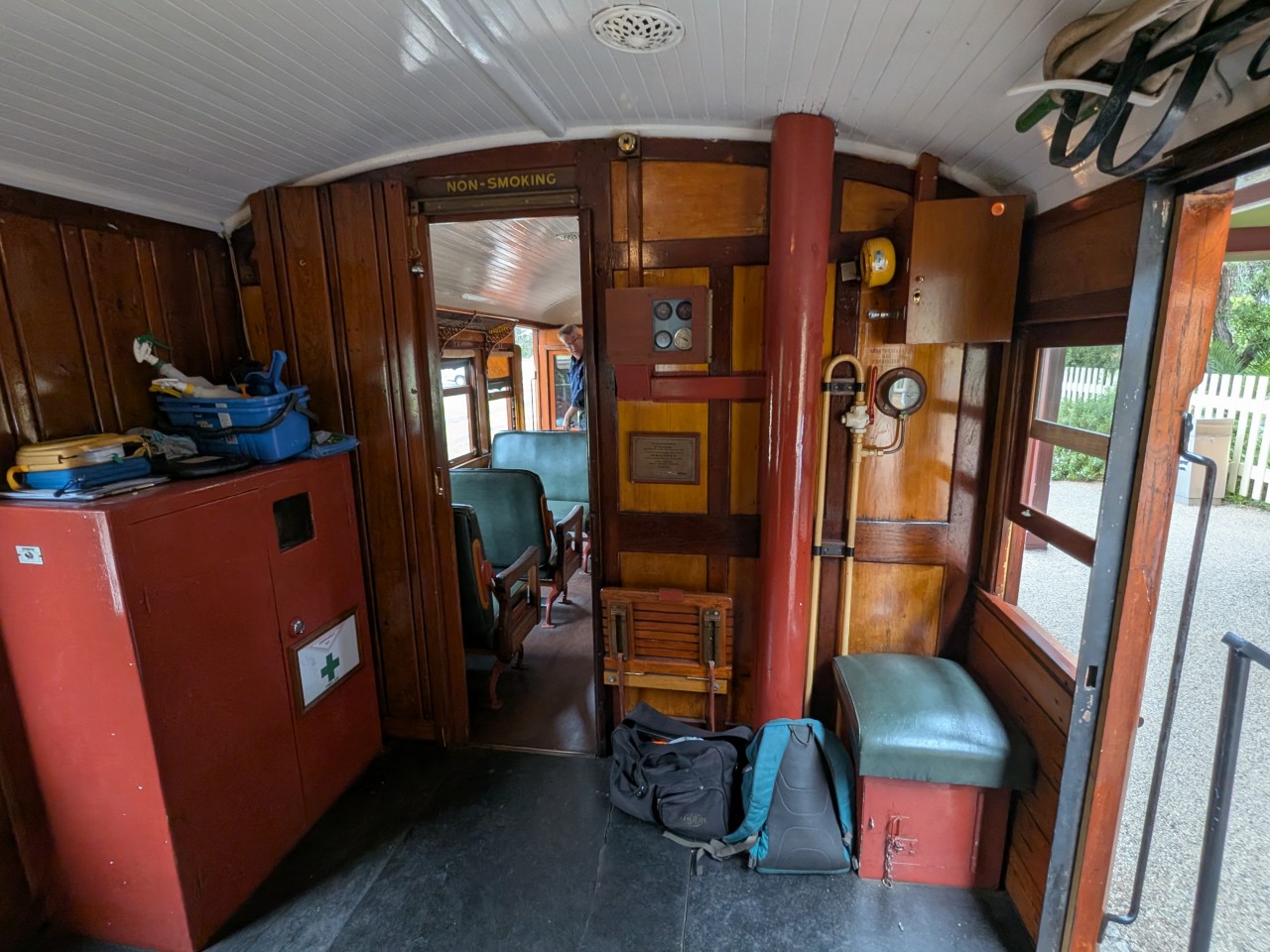
車両中央のデッキ部分は、乗降用スペースであると同時に荷物置き場や乗務員スペースも兼ねているのが特徴です。車掌業務などもこの中央部分で行われ、車内の中心的な役割を担っていました。また、トイレがデッキ内ではなくセカンドクラス区画側に設置されている点も特徴的で、独特な車内構成を見ることができます。
The central deck area of the CPH rail motor served not only as a boarding space, but also as a luggage area and crew workspace. Conductors carried out their duties from this central section, making it an important operational area inside the vehicle. Another unusual feature is that the toilet was located within the Second Class section rather than inside the central deck area, giving the vehicle a distinctive interior layout.
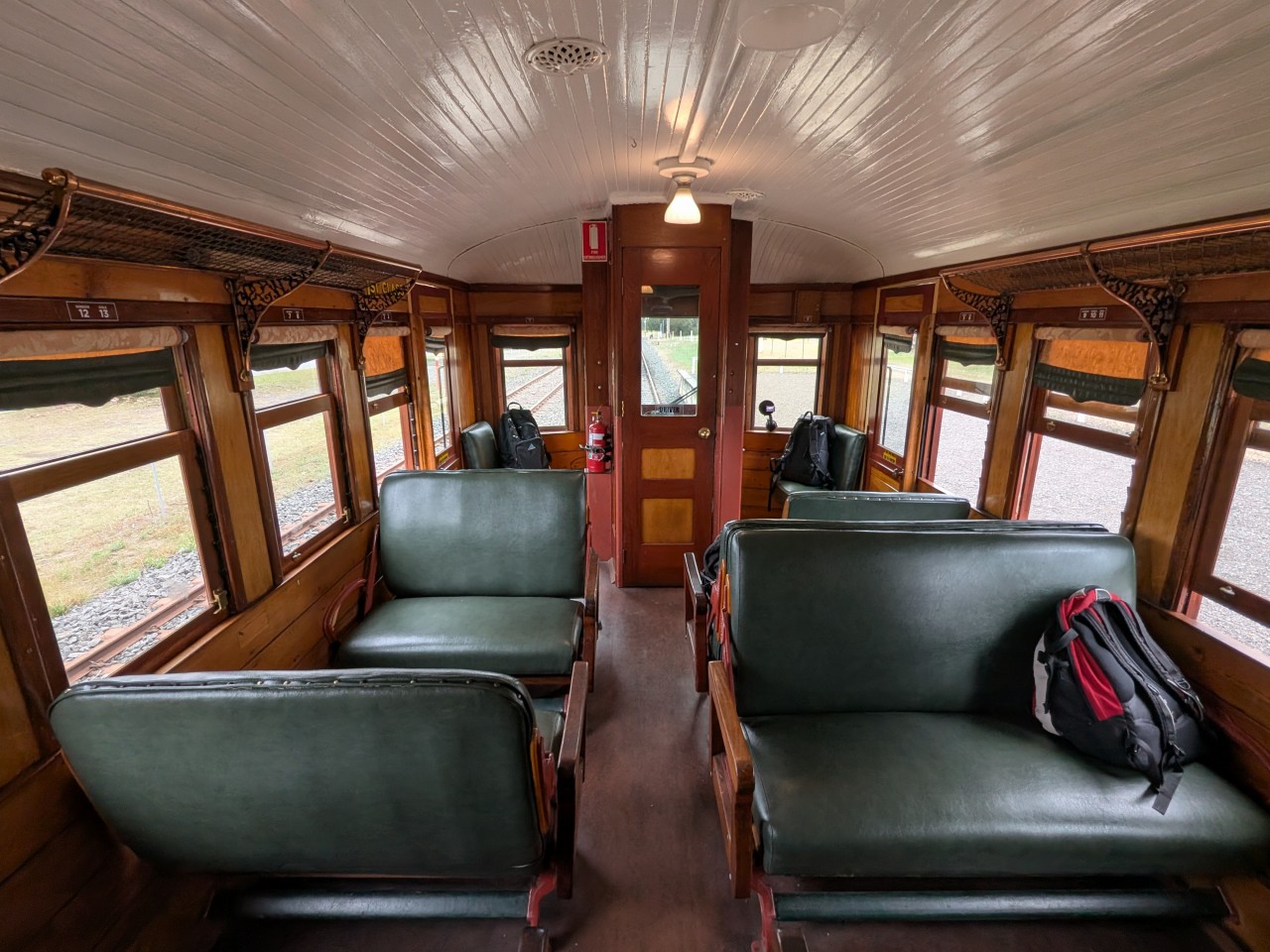
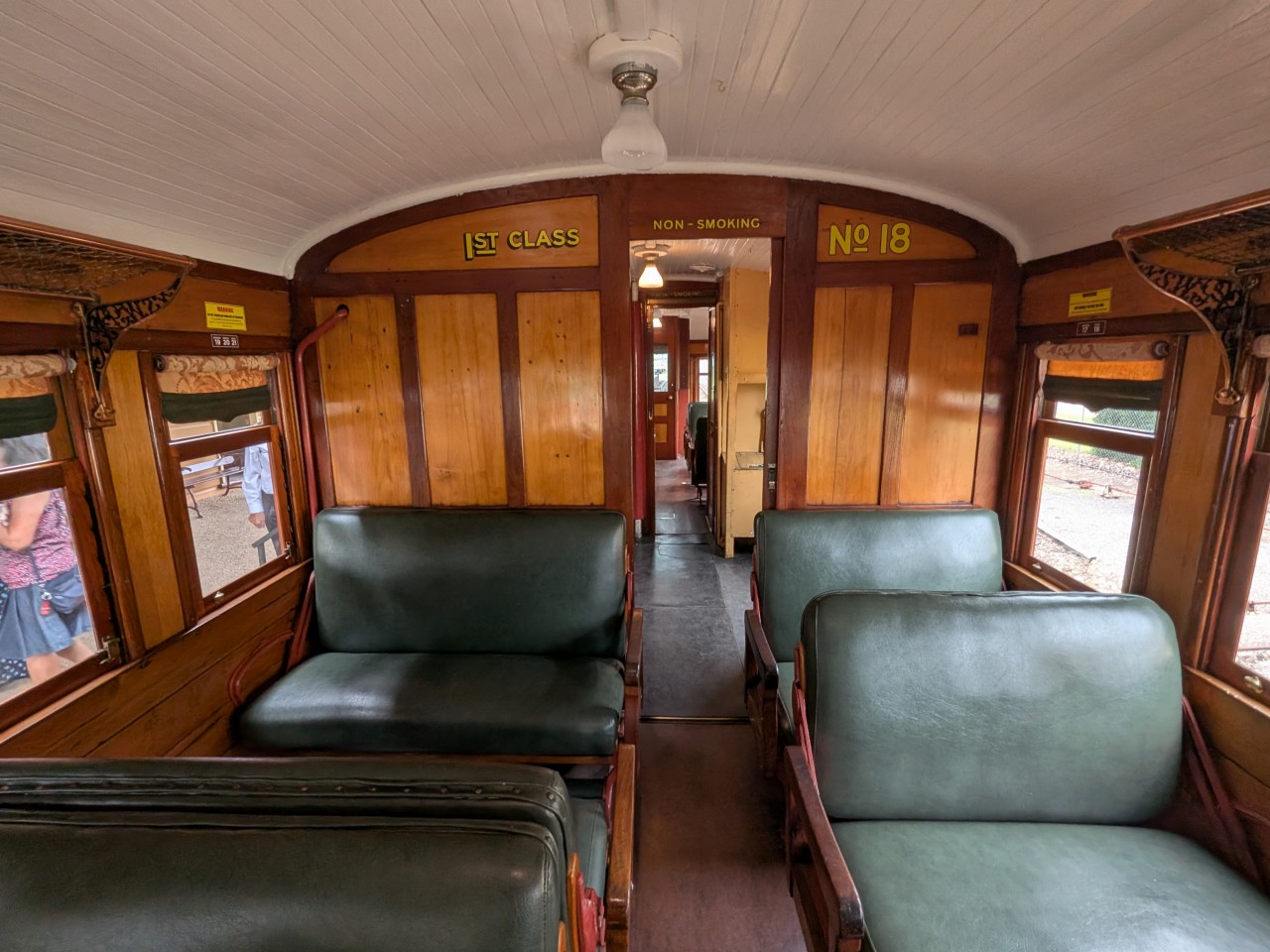
ファーストクラス車内には、2+2配列の転換クロスシートが並んでいます。座席は進行方向に合わせて向きを変更できる構造となっており、快適な移動を重視した造りとなっています。座席数は21席で、木製車体とあわせて落ち着いた雰囲気の車内空間が特徴です。
The First Class interior features 2+2 reclining reversible seats arranged across the cabin. The seats can be turned to face the direction of travel, providing a comfortable travelling experience. With a total of 21 seats, the compartment offers a calm and classic atmosphere that matches the wooden-bodied rail motor.
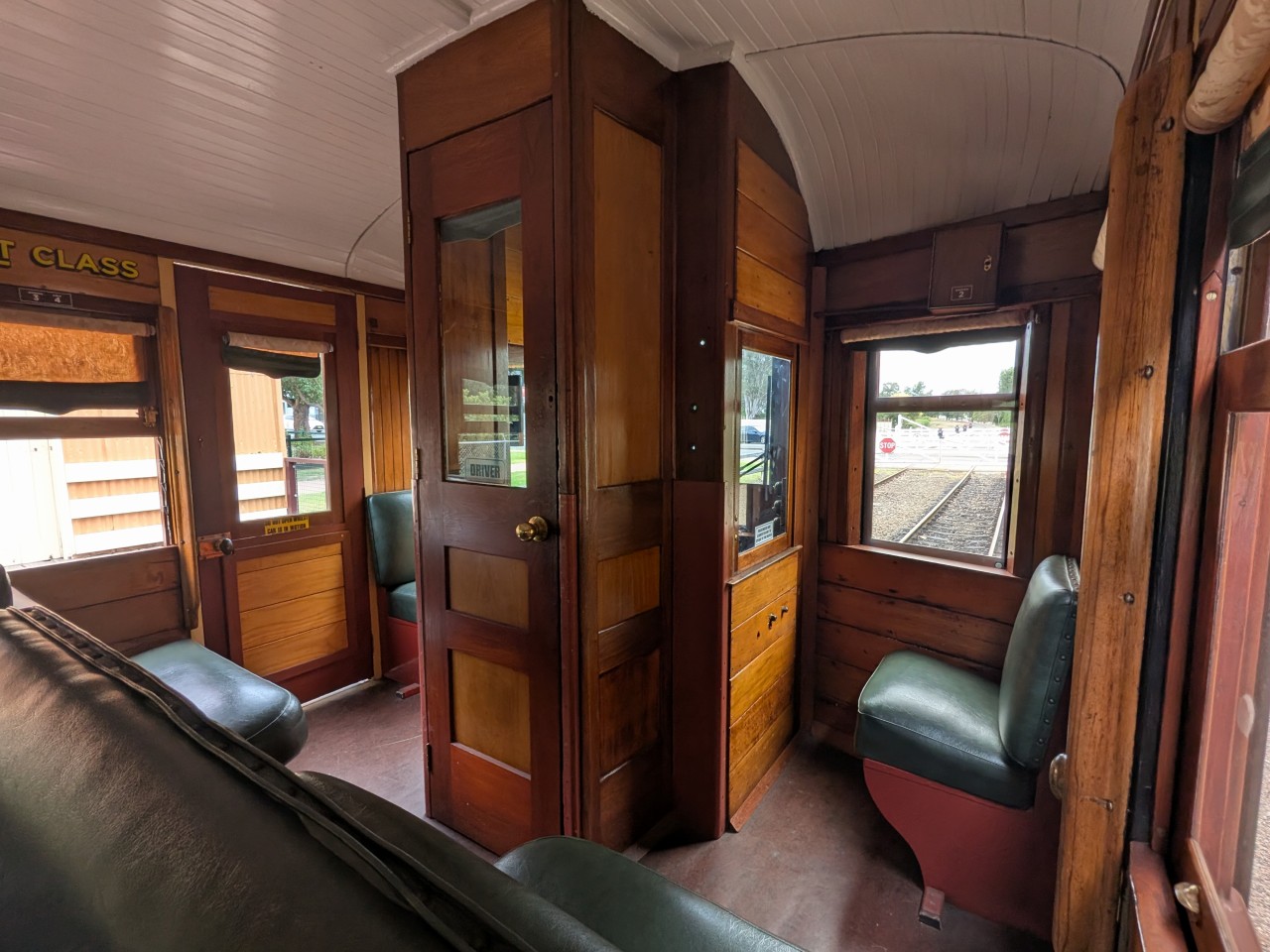
運転席は車両前面の中央に設置されており、その左右は客室として一般に開放されています。そのため、乗客は前面展望を楽しみながら乗車することができます。一方で、この構造では運転室のスペースが非常に狭くなるため、後年には一般的な鉄道車両のように客室と運転室を壁で完全に仕切る改造が行われた車両も存在しました。
The driver’s cab is positioned in the centre of the front end of the vehicle, while the areas on both sides remain open to passengers. This allows passengers to enjoy a forward-facing view during the journey. However, this layout left the cab itself extremely cramped, and some vehicles were later modified with a full partition wall separating the driver’s cab from the passenger area, similar to modern railway vehicles.
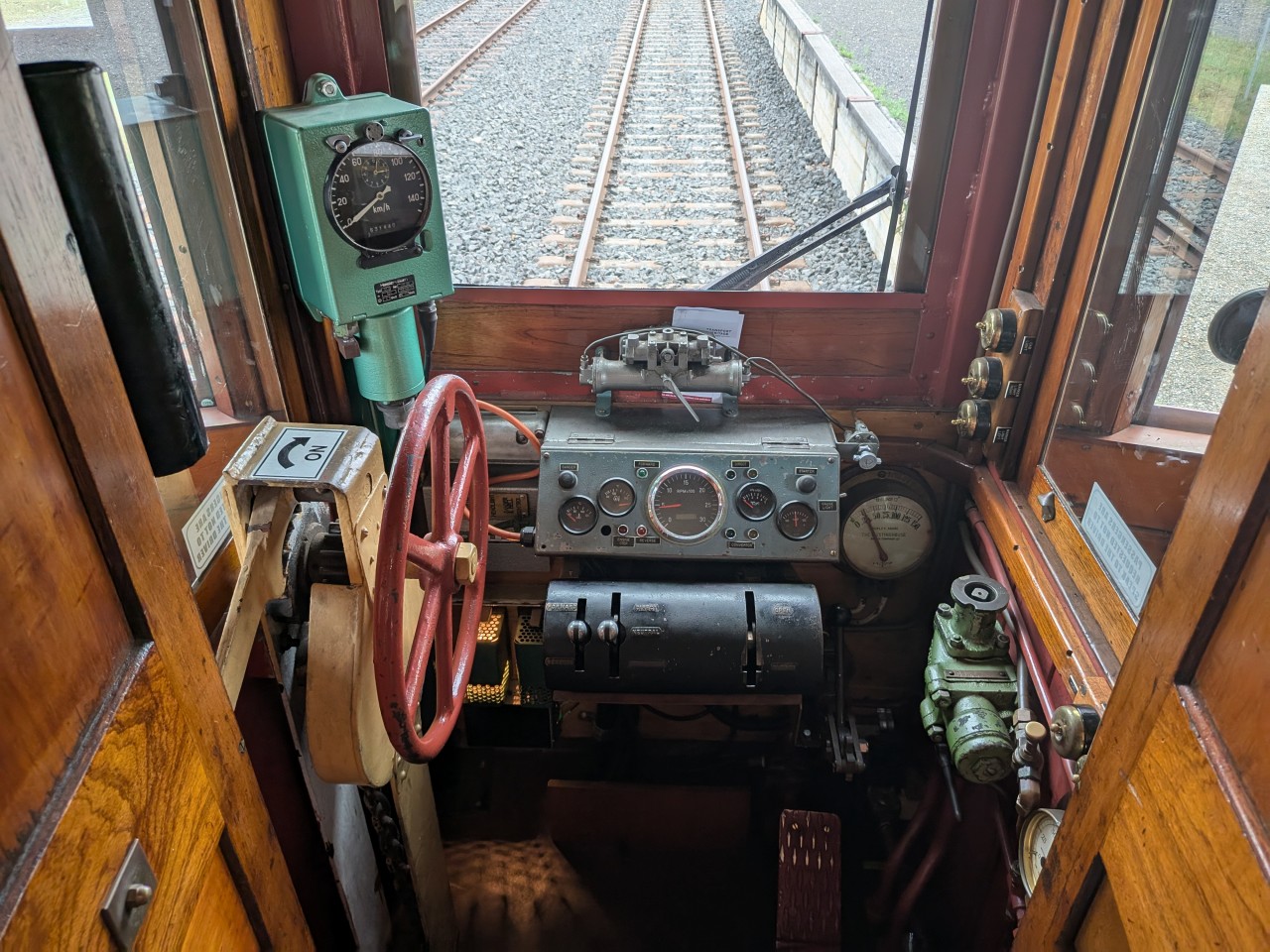
運転室は車両前面中央に設置されており、限られたスペースの中に各種計器や操作機器がコンパクトにまとめられています。左右の客室が一般開放されている構造のため運転室自体は非常に狭いものの、必要な機器類が効率よく配置されております。
The driver’s cab is located in the centre of the front end of the vehicle, with various gauges and controls compactly arranged within the limited space. Although the cab itself is extremely small due to the open passenger areas on both sides, the necessary equipment is efficiently fitted into the layout, giving the vehicle a very distinctive driving compartment.
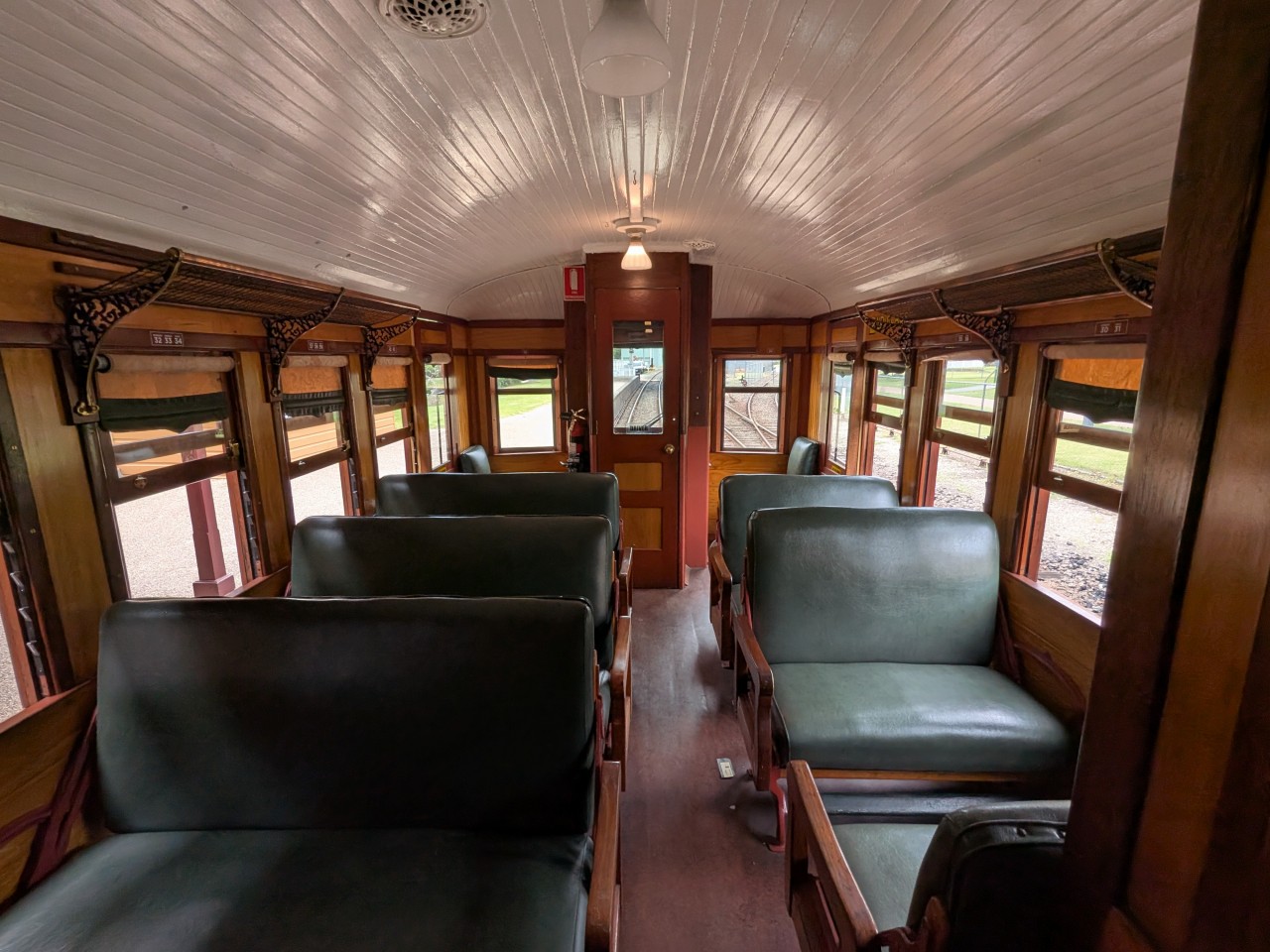
セカンドクラス車内にも、ファーストクラスと同様に2+2配列の転換クロスシートが並んでいます。座席数は24席で、基本的な構造はファーストクラスとほぼ同じですが、セカンドクラス側にはトイレが設置されている点が大きな違いです。ヨーロッパの鉄道では、ファーストクラス以外は固定式クロスシートが一般的ですが、オーストラリアでは古くから進行方向を向いて座る文化が強かったことが、このような転換クロスシートの採用からも感じられます。転換クロスシートへのこだわりには、日本の鉄道に通じるものもありますが、近年のオーストラリアの新型車両では固定式クロスシートの採用も増えつつあります。
The Second Class interior also features 2+2 reversible cross seats similar to those in First Class. With a total of 24 seats, the layout is largely the same, although the toilet is located within the Second Class section. In many European railways, fixed cross seats are common outside First Class, but Australian railways traditionally placed strong importance on passengers sitting facing the direction of travel, as shown by the widespread use of reversible seats. This preference feels quite similar to Japanese railway design philosophy. However, in recent years, more Australian rolling stock has begun adopting fixed cross seats instead.
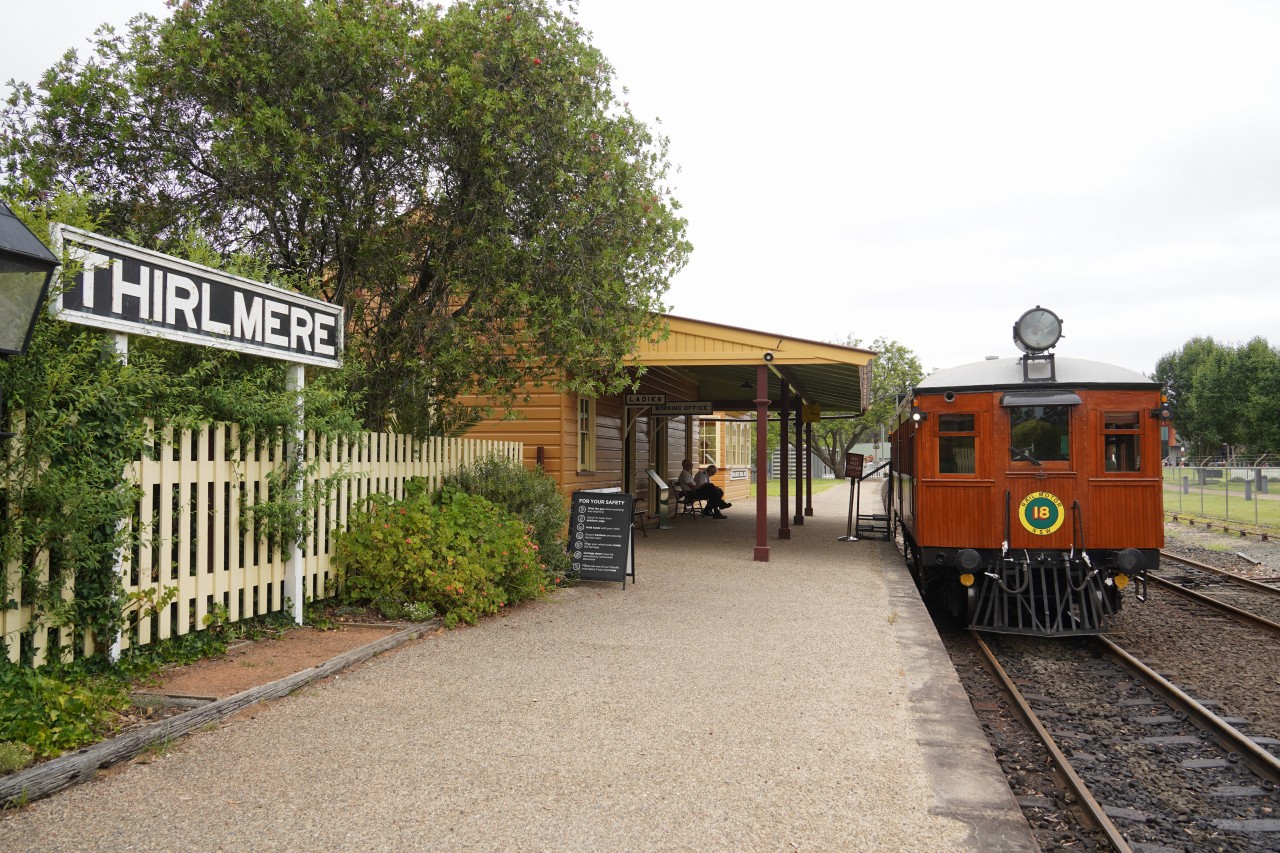
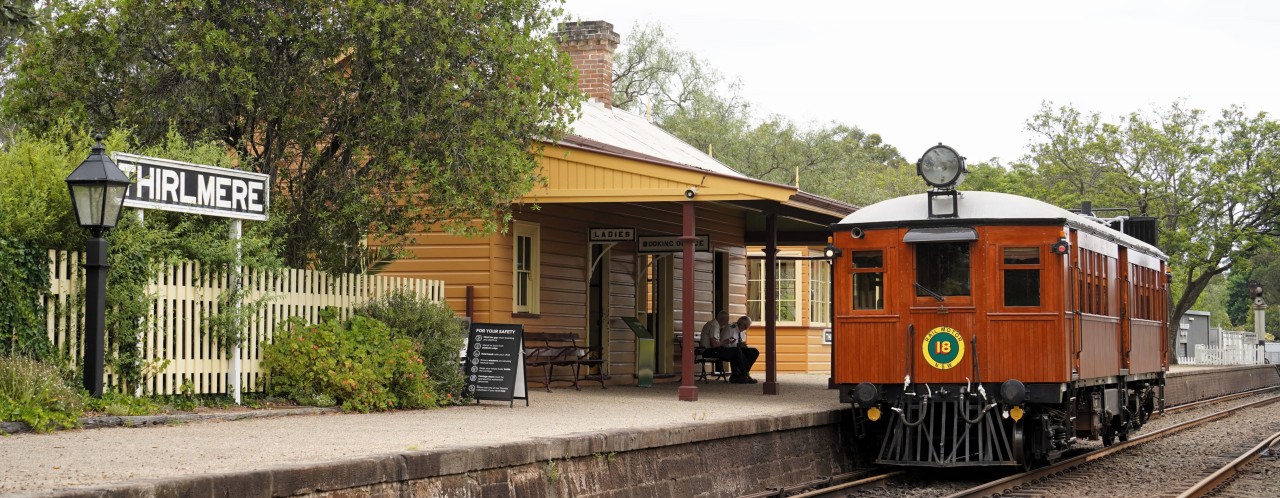
NSW鉄道博物館の敷地内には、サールミア駅(Thirlmere Station)が設けられており、ここから動態保存車による保存運転列車に乗車することができます。現在の駅は博物館の保存運転用として使用されていますが、もともとは1885年に開業した歴史ある駅で、かつてはメインサウス線のピクトン~ミッタゴン間に存在したループ線上の駅として営業していました。その後、本線の新ルート開業により支線化されましたが、現在も保存鉄道として活用され、オーストラリア鉄道史を伝える重要な存在となっています。
Within the NSW Rail Museum grounds is Thirlmere Station, where visitors can board operational heritage trains. The station is now mainly used for museum heritage railway operations, but it originally opened in 1885 as part of the loop line between Picton and Mittagong on the Main South Line. After a newer main line route was built, the old line became a branch line, and today it survives as part of the preserved railway operated by the museum, continuing to showcase an important part of Australian railway history.
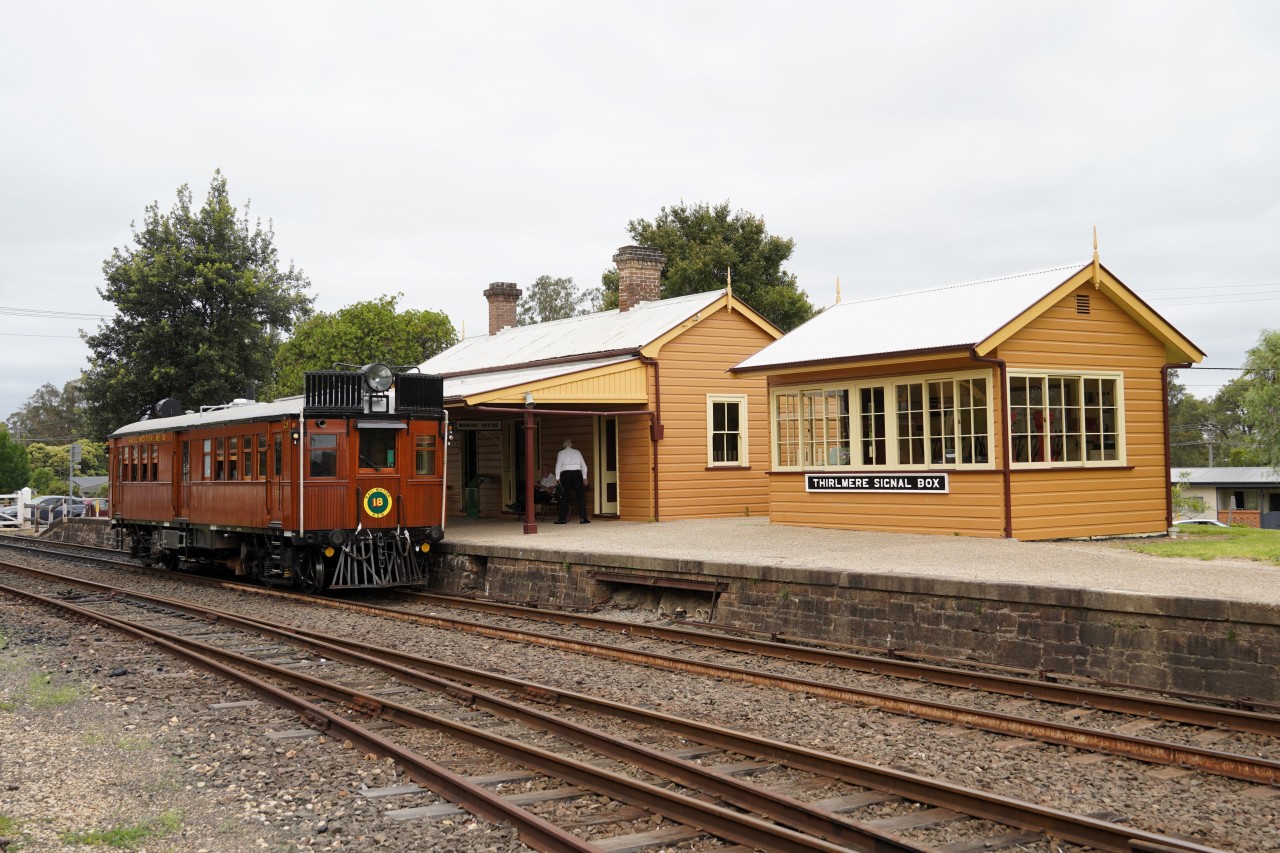
サールミア駅構内には、メインとなるプラットホームが1本設けられており、そのホームに沿って歴史ある駅舎と信号所が配置されています。保存鉄道らしい落ち着いた雰囲気が残されており、動態保存車の発着時には往年のローカル線の情景を感じることができます。
Thirlmere Station features a single main platform, alongside which stand the historic station building and signal box. The station retains the calm atmosphere of a preserved country railway, and when heritage trains arrive or depart, visitors can experience the feeling of an earlier era of local railway travel.
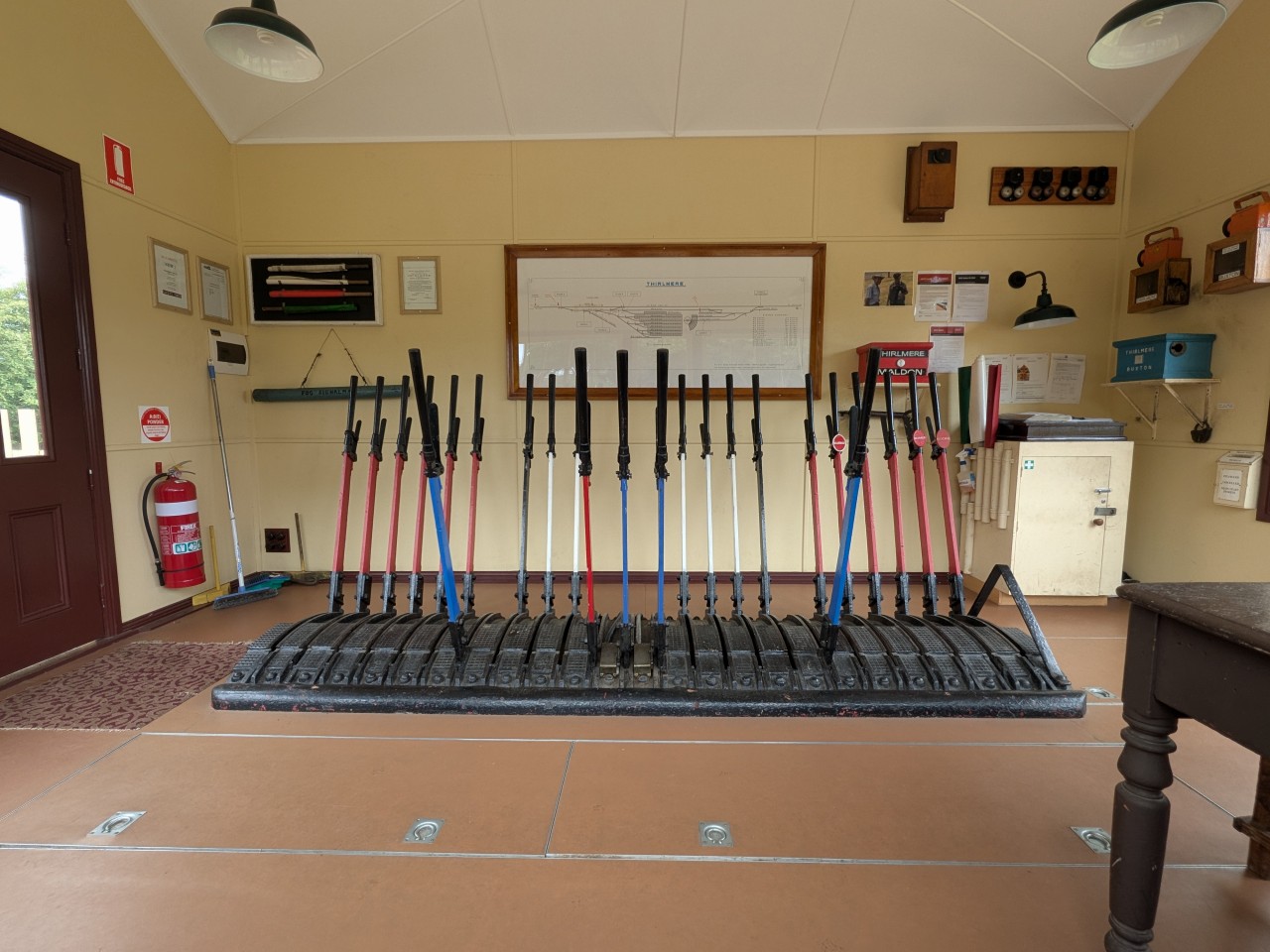
信号所の内部には、広い駅構内に設置された多数の転轍機や信号機を操作するためのレバーが並んでいます。ずらりと並ぶ機械式レバーは迫力があり、かつての鉄道運行を支えた重要な設備であったことを感じさせます。現在でも保存鉄道の運行時に使用されることがあり、歴史的な鉄道技術を間近で見ることができます。
Inside the signal box are rows of mechanical levers used to control the many points and signals throughout the station yard. The long line of large operating levers creates an impressive sight and reflects the importance of the equipment in historical railway operations. Some of the equipment is still used during heritage railway operations today, allowing visitors to see historic railway technology up close.
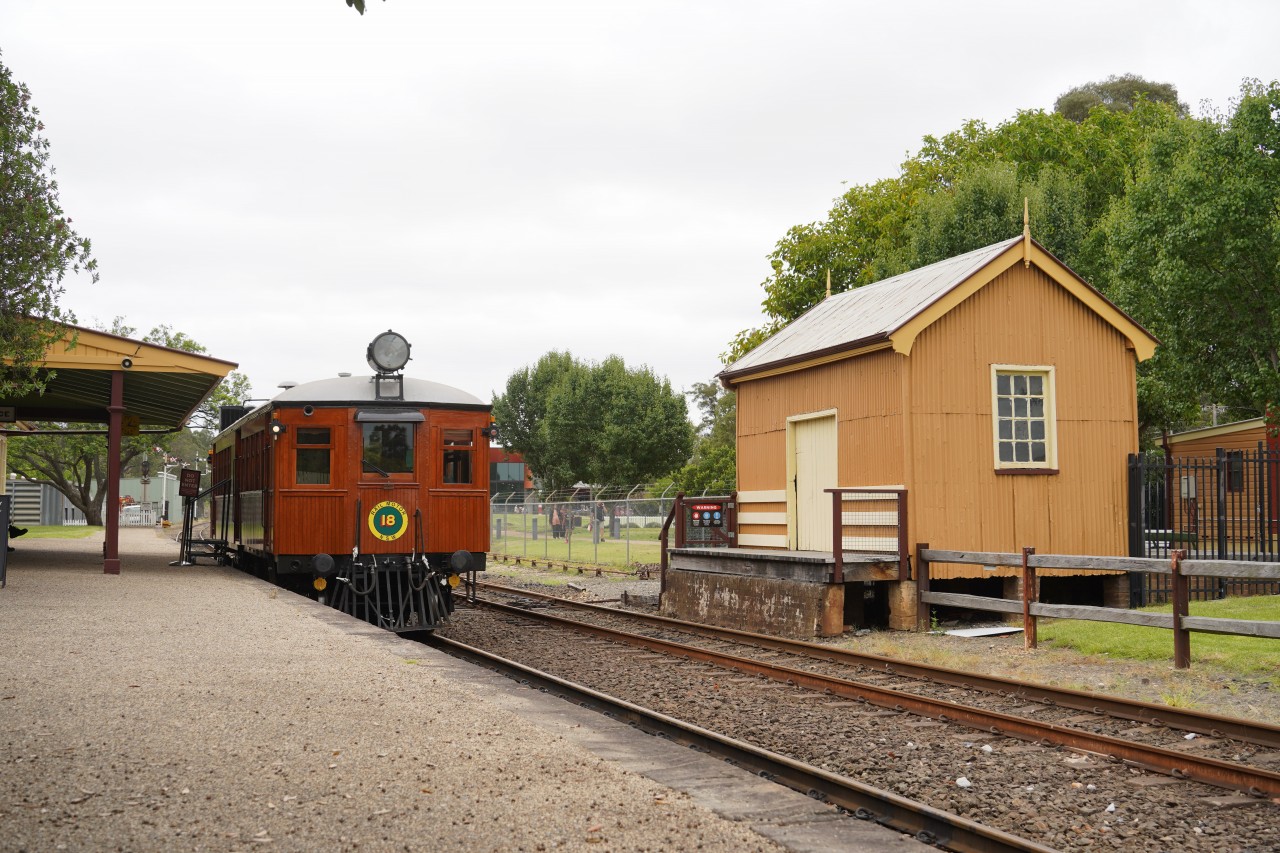
メインプラットホームの向かい側には、荷物取扱用の小さなホームと詰所が設置されています。車両1両分ほどの短いホームは、小型車両であるCPH型気動車にちょうど合うサイズにも見えます。
Opposite the main platform is a small freight handling platform with an attached storage shed. The short platform — roughly the length of a single carriage — almost seems perfectly suited to the small CPH rail motor.
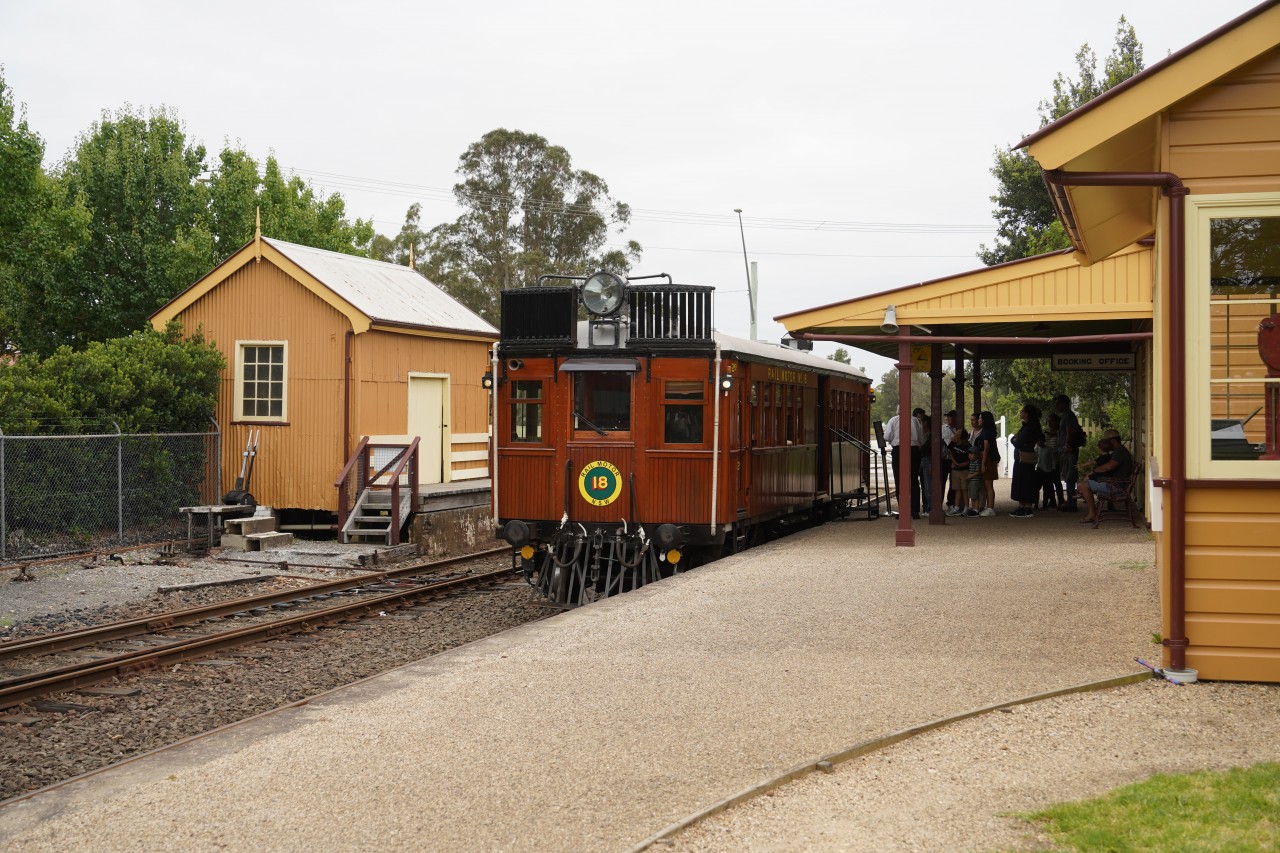
体験乗車に参加する乗客は、メインプラットホームでチェックインを行います。保存列車の発車を待つホームの光景は、かつてサールミア駅が旅客営業を行っていた時代を思わせる雰囲気となっています。
Passengers joining the heritage train experience check in at the main platform. The sight of people waiting for the preserved train to depart evokes the days when Thirlmere Station was still operating regular passenger services.
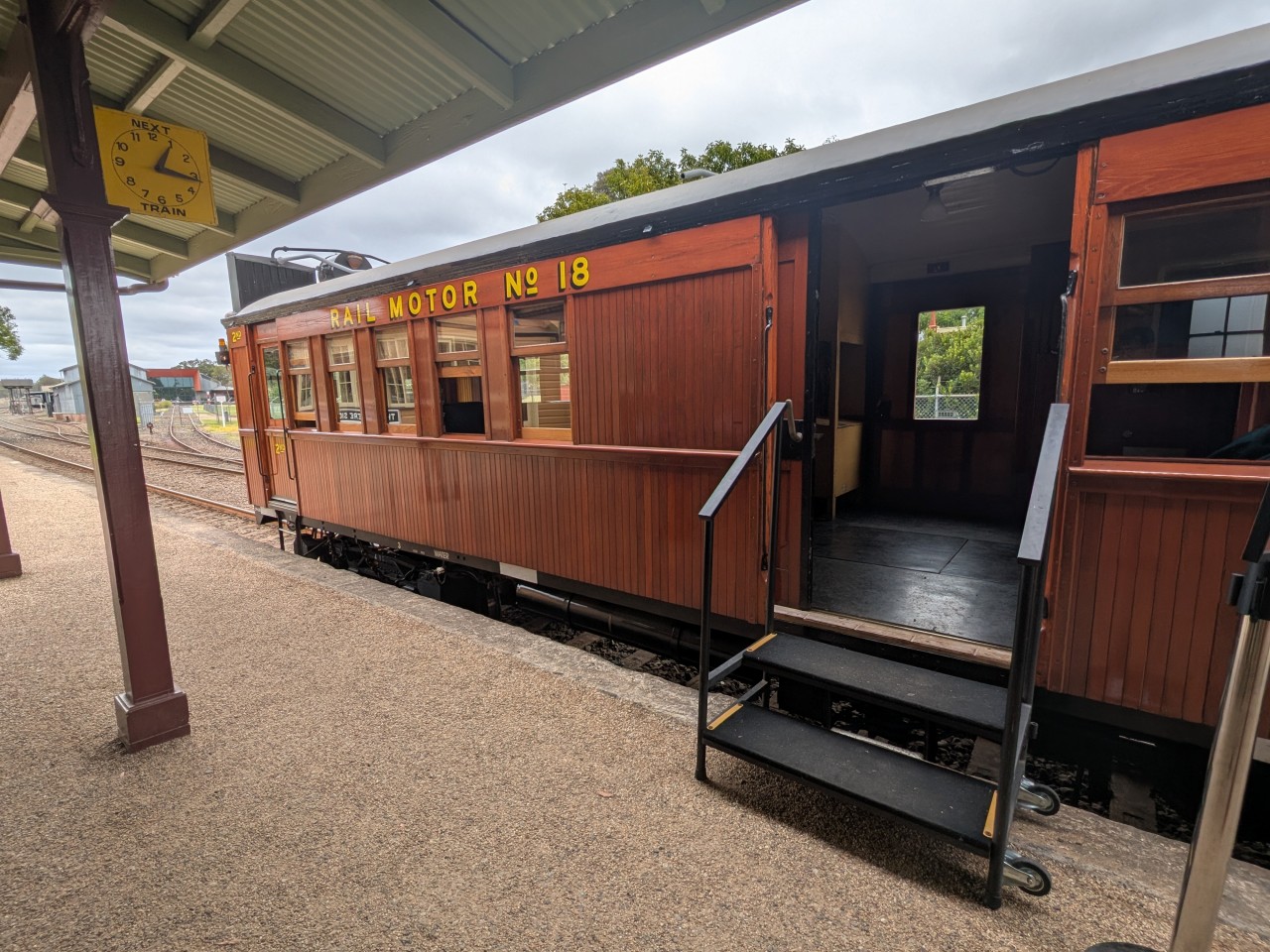
プラットホームは高さが低いため、乗降用として移動式ステップが用意されています。また、左上に見える発車時刻案内用の時計は、かつてオーストラリアの駅で広く使用されていたタイプのもので、保存鉄道らしい雰囲気を感じさせます。
Because the platform is relatively low, portable steps are provided to assist passengers when boarding and alighting. The departure indicator clock visible in the upper left is a style once commonly seen at Australian railway stations, adding to the heritage railway atmosphere.
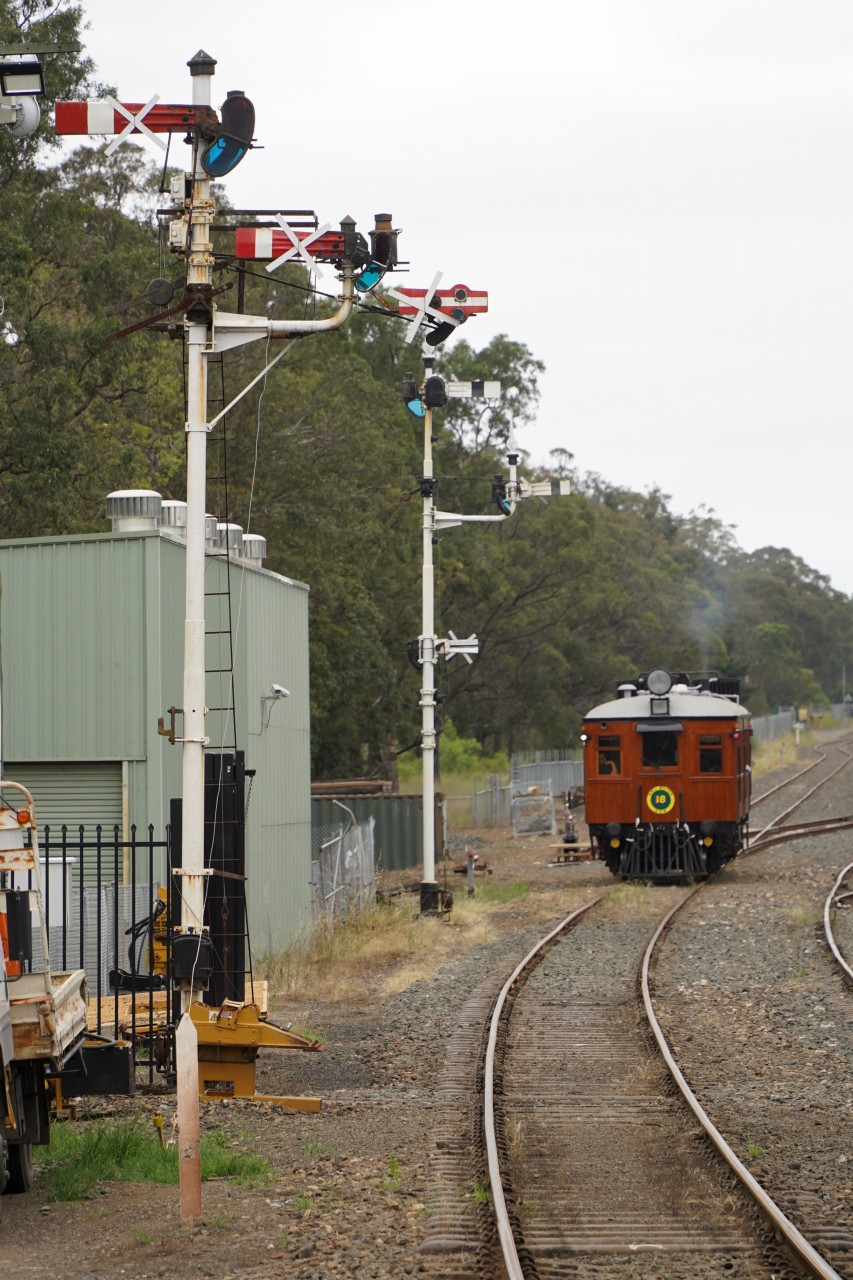
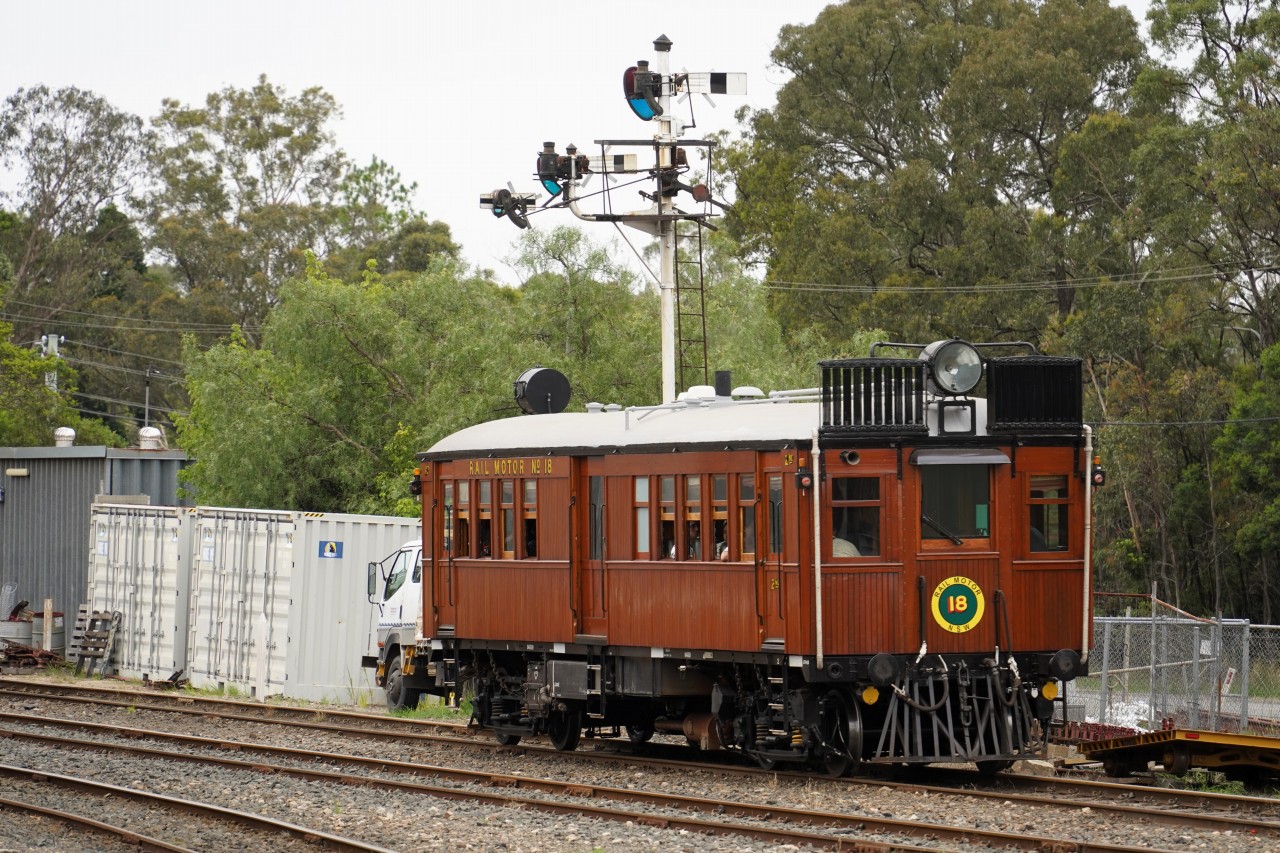
腕木式信号機に見送られて発車したCPH型気動車。現在、腕木式信号機は使用されておらず、使用停止を示すバツ印が取り付けられていますが、構内には今も往年の鉄道風景が残されています。
The CPH rail motor departs surrounded by numerous semaphore signals. Although these semaphore signals are no longer in use and are marked with crosses to indicate they are out of service, they still preserve the atmosphere of a historic railway scene within the station yard.
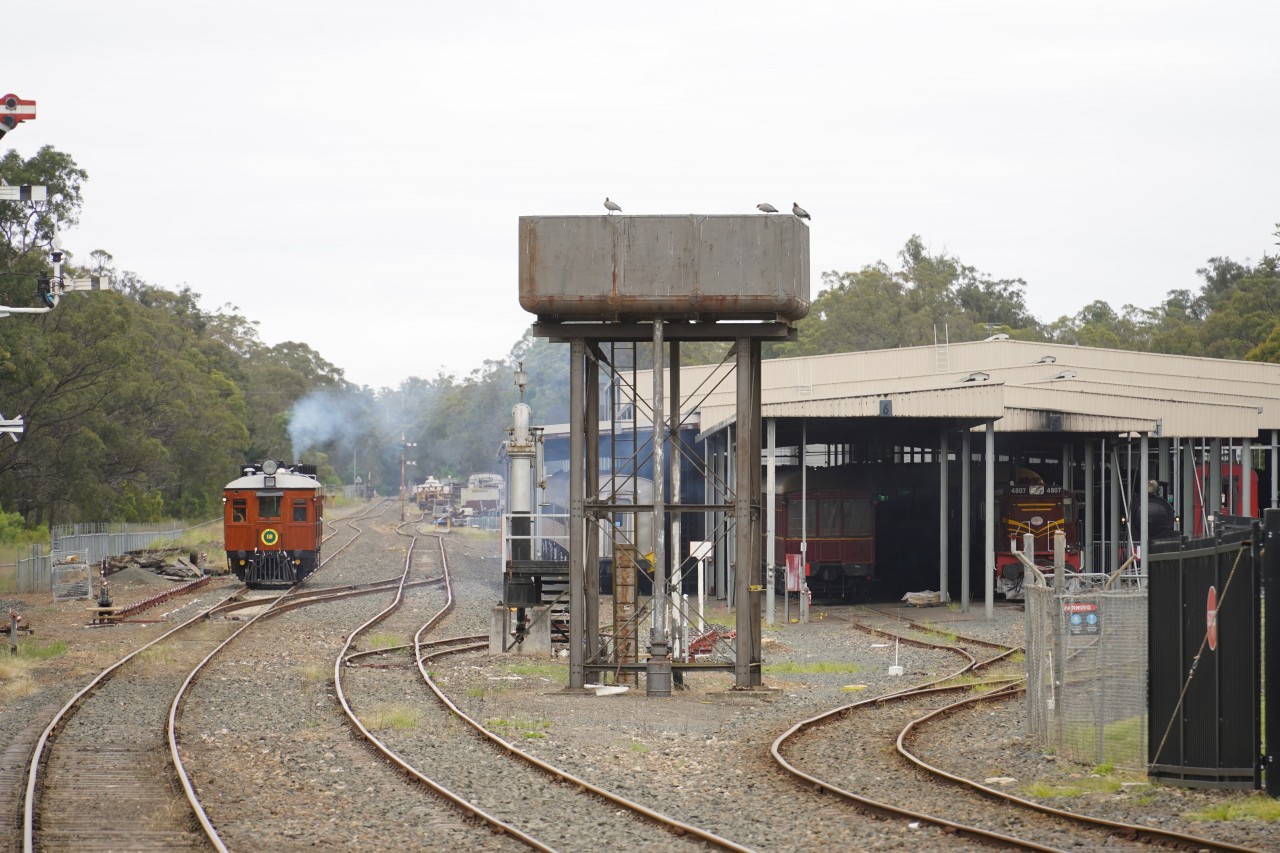
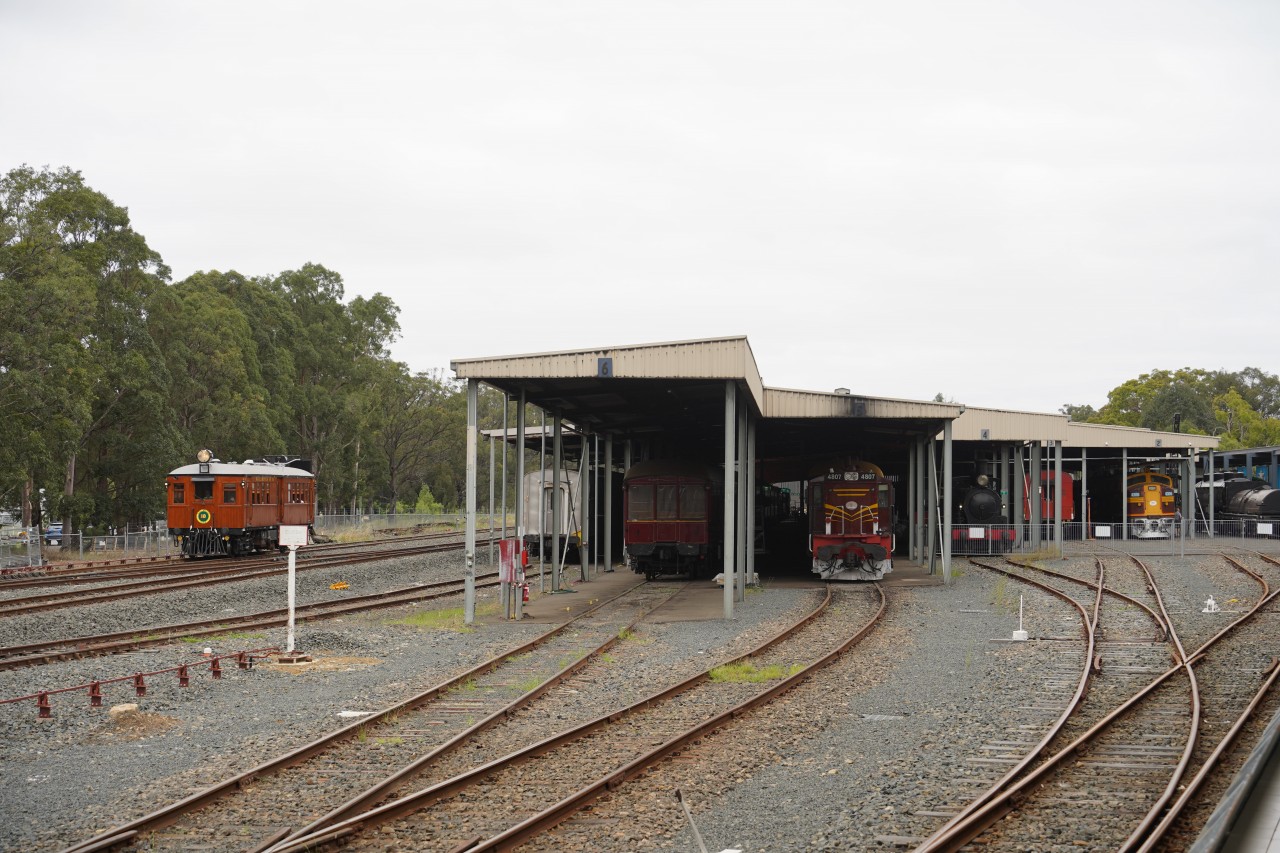
多くの保存車両が並ぶ車庫を横目に、保存運転の終点バクストンへ向かうCPH18。歴史ある車両が実際に走行を続ける姿は、まさに「生きた博物館」と言える光景です。
CPH18 heads toward Buxton, the terminus of the heritage operation, passing beside sheds filled with preserved railway vehicles. Seeing these historic trains still operating today truly makes the railway feel like a “living museum.”
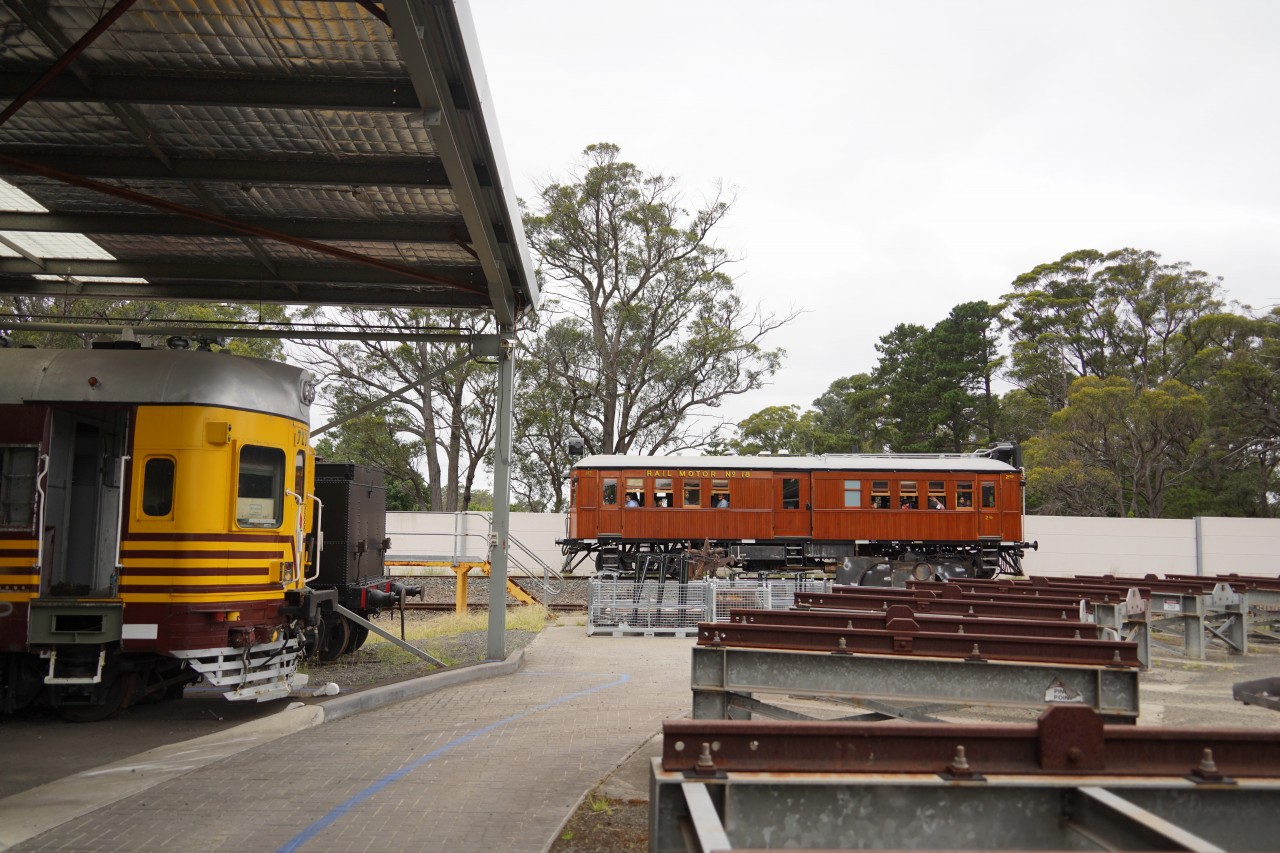
博物館内に保存されている転車台のそばを通過するCPH18。
CPH18 passes beside the preserved turntable within the museum grounds.
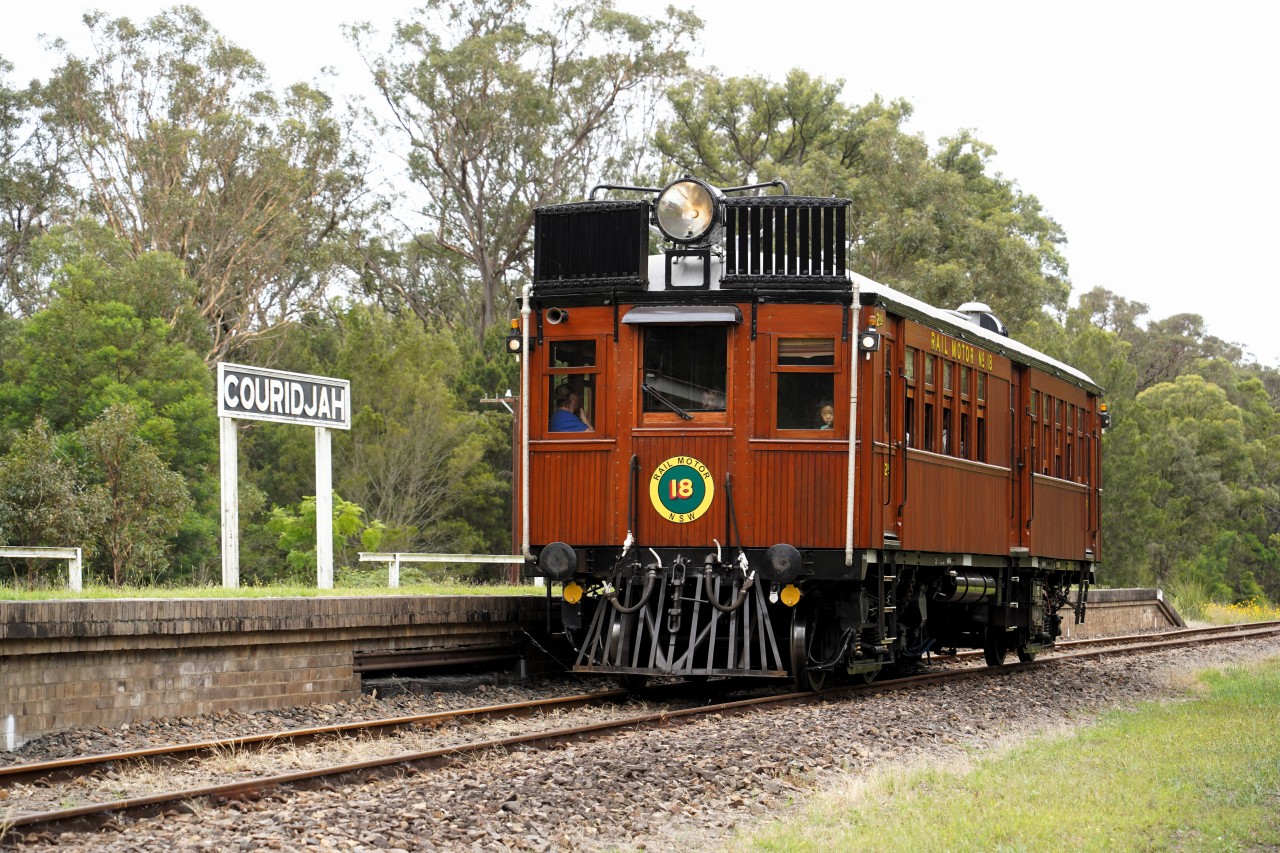
保存鉄道区間で唯一の中間駅となるクーリジャー駅を通過するCPH18。
CPH18 passes Couridjah Station, the only intermediate station on the heritage railway section.
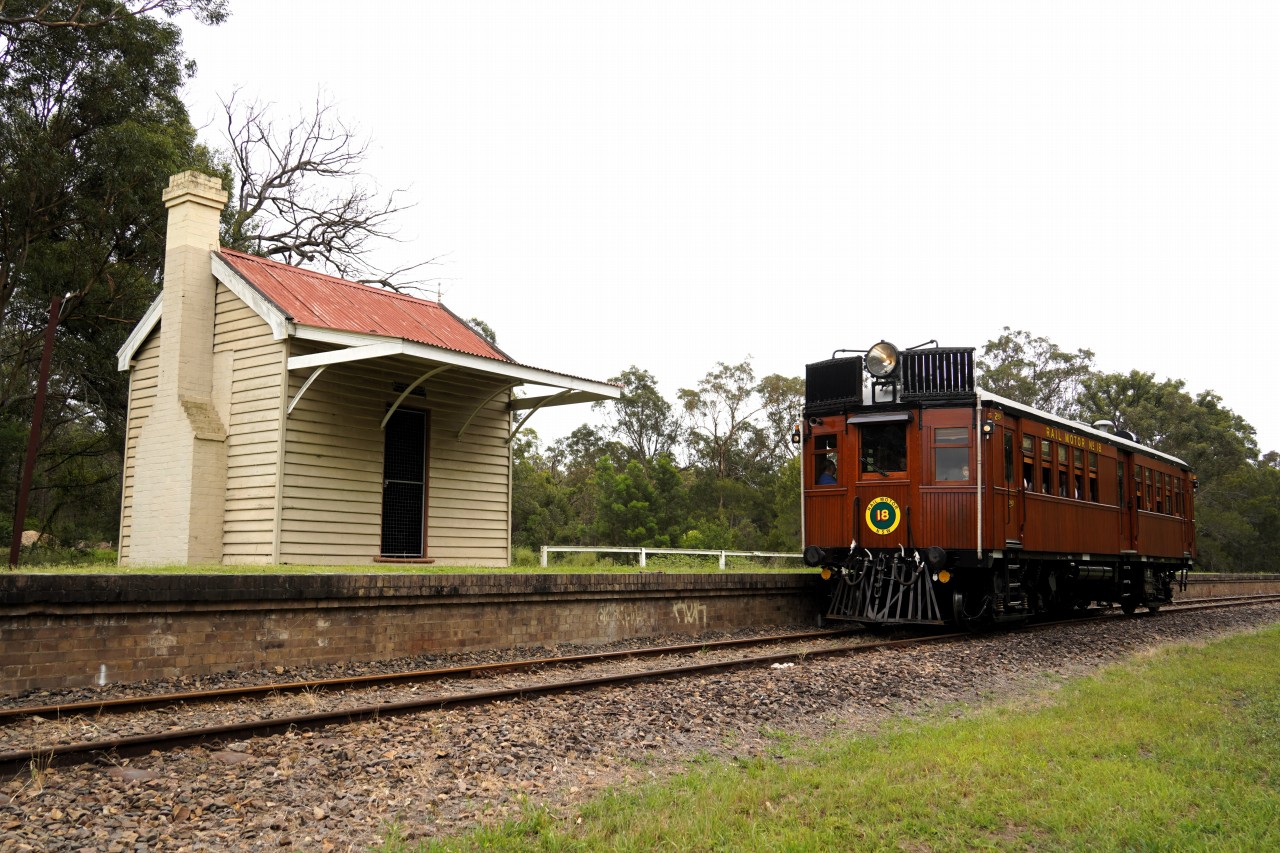
クーリジャー駅(Couridjah Station)は、NSW鉄道博物館が運行する保存鉄道区間にある唯一の中間駅です。もともとはメインサウス線旧線上の駅として開設され、周辺地域の小さな駅として利用されていました。現在は保存鉄道の駅として維持されており、シンプルなホームや駅設備からは、かつてのニューサウスウェールズ州のローカル駅の雰囲気を感じることができます。
Couridjah Station is the only intermediate station on the heritage railway operated by the NSW Rail Museum. Originally opened on the old Main South Line, it once served as a small local station for the surrounding area. Today, it is maintained as part of the preserved railway, and its simple platform and facilities continue to reflect the atmosphere of a traditional New South Wales country station.
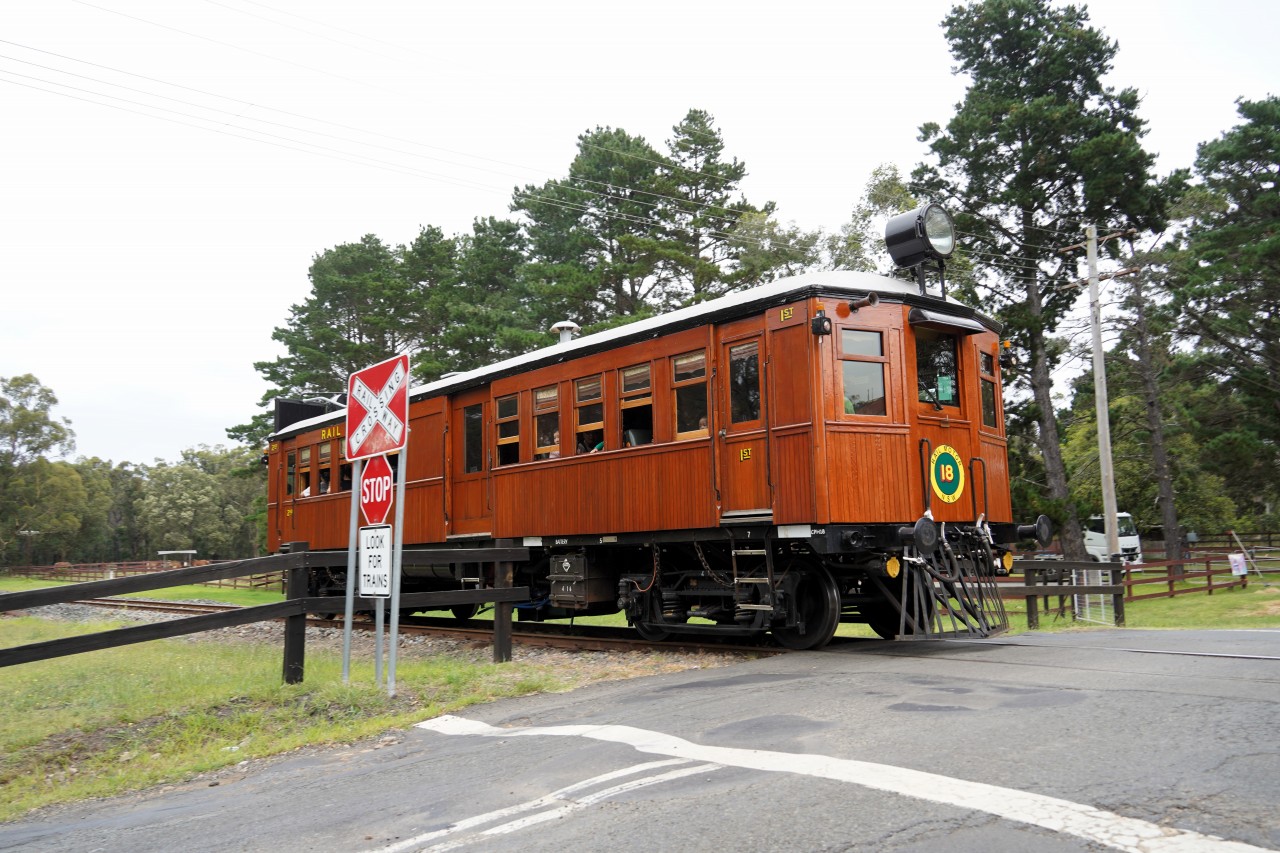
クーリジャー駅近くの踏切を通過するCPH18。
CPH18 passes through a level crossing near Couridjah Station.
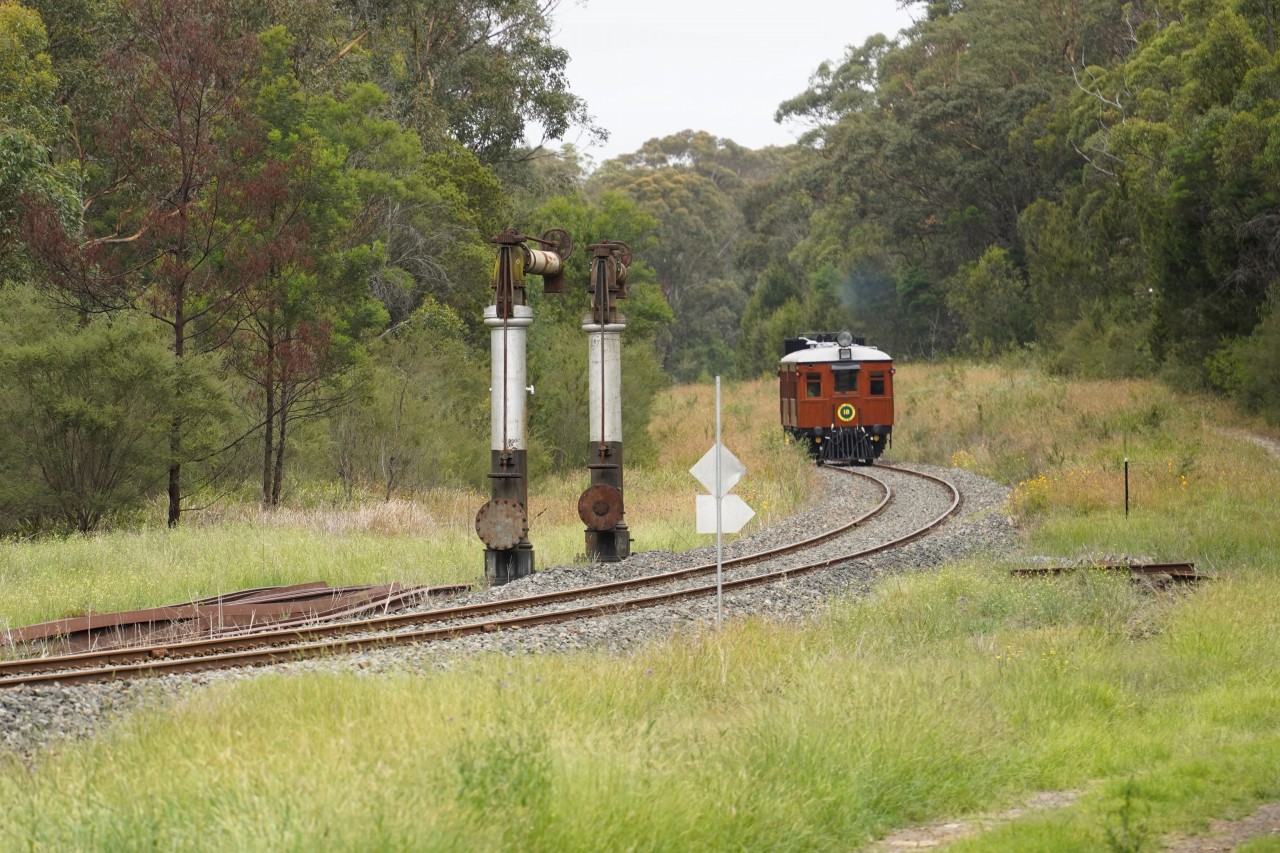
クーリジャー駅構内には、蒸気機関車用の給水設備も設置されています。このような小さな駅に給水設備があるのは少し意外にも感じられますが、現在の保存鉄道で蒸気機関車を運転するために、後年追加された設備なのかもしれません。
Couridjah Station also features water facilities for steam locomotives. It may seem surprising to find such equipment at a small station like this, and it is possible that the facilities were added later to support steam operations on the present-day heritage railway.
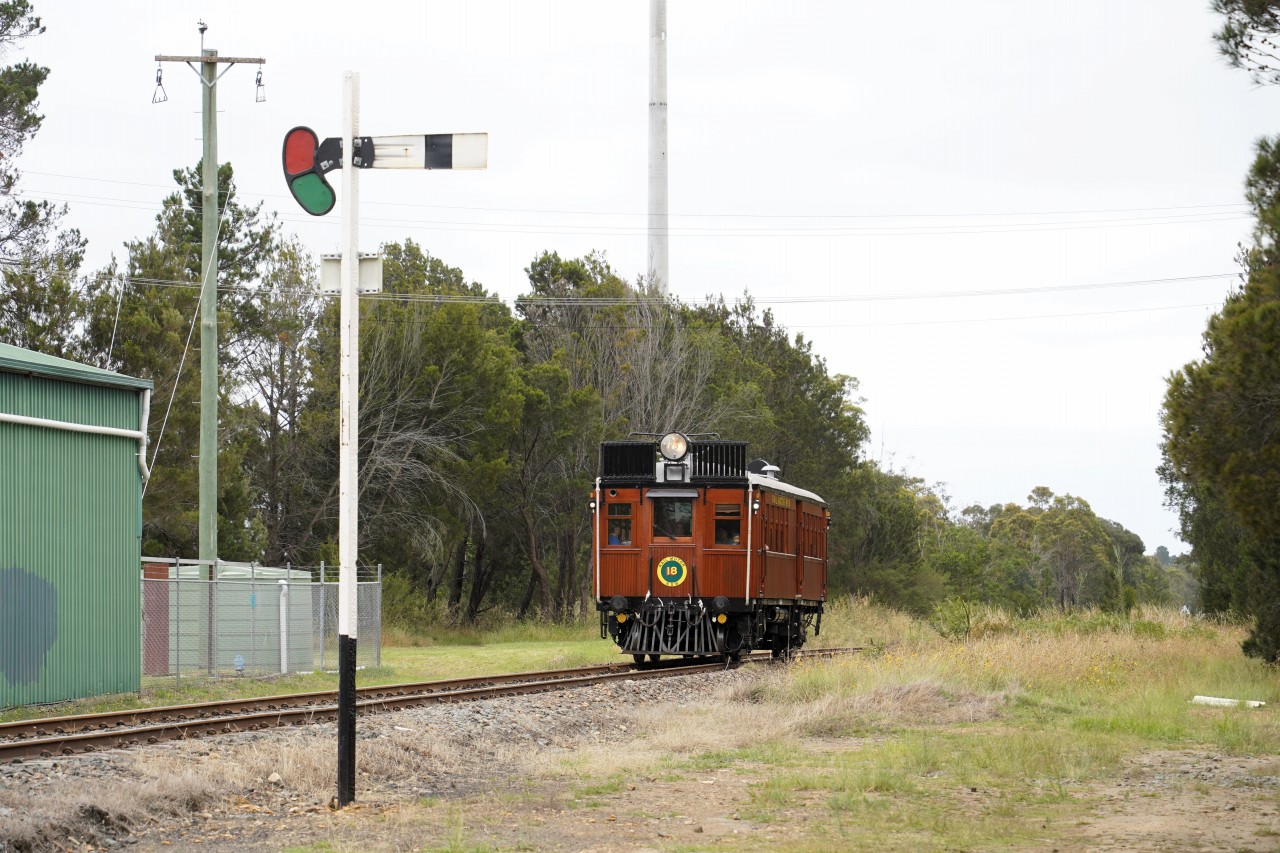
動態保存区間の終点であるバクストン駅構内へ進入するCPH18。駅構内には現在も腕木式信号機が残されています。
CPH18 enters Buxton Station, the terminus of the heritage railway section. Semaphore signals still remain within the station yard.
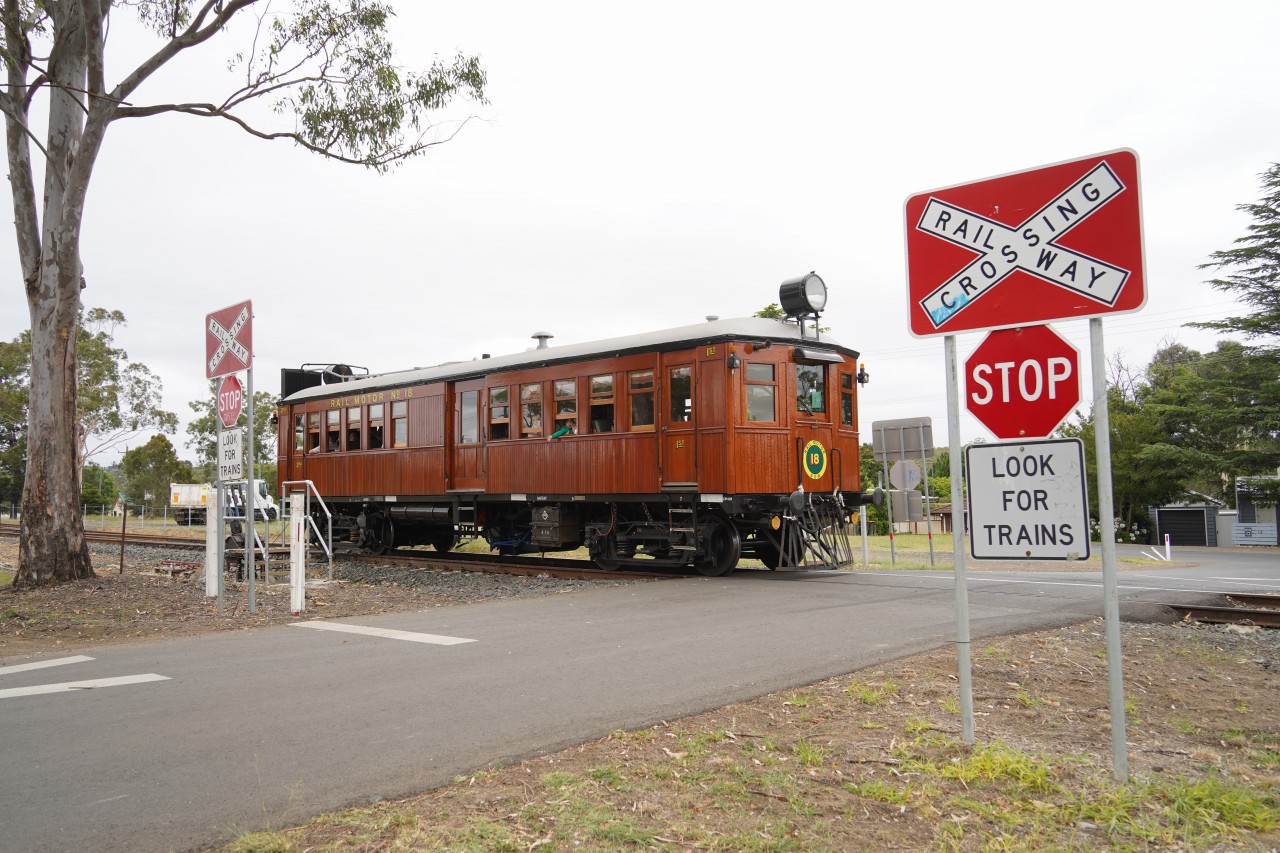
バクストン駅に隣接する踏切を通過するCPH18。
CPH18 passes through the level crossing beside Buxton Station.
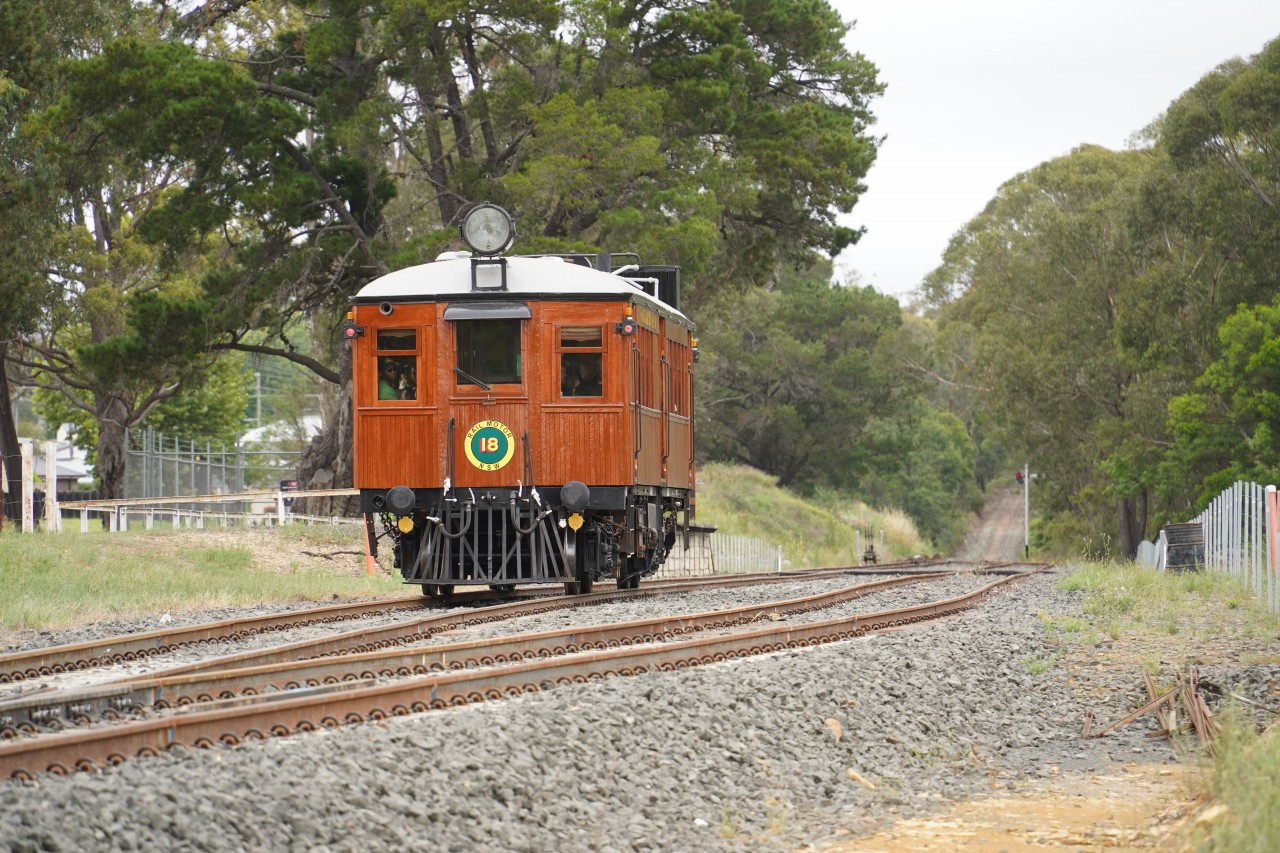
バクストン駅構内は、片側ホーム1面と側線1本のみのシンプルな構造となっています。蒸気機関車による保存運転時には、この側線を使用して機関車の機回し作業が行われます。
Buxton Station has a simple layout consisting of a single side platform and one siding. During steam heritage operations, the siding is used for locomotive run-around movements.
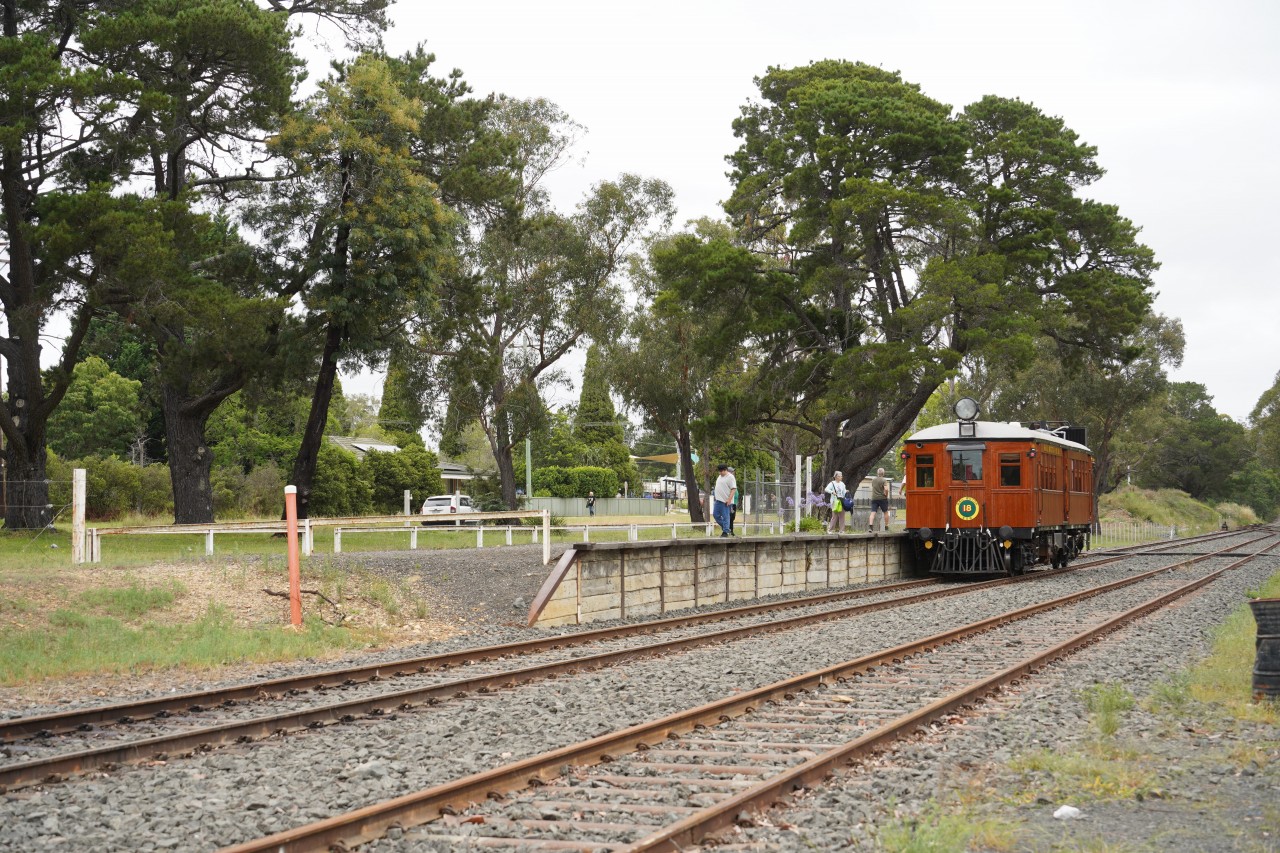
バクストン駅には現在、目立った駅舎などの建物はありません。これは、かつて存在していた駅舎が火災によって焼失してしまったためで、現在の設備は保存運転用として1990年代に再整備されたものとなっています。
Buxton Station today has no prominent station buildings. The original station building was destroyed by fire, and the present facilities were rebuilt during the 1990s to support heritage railway operations.
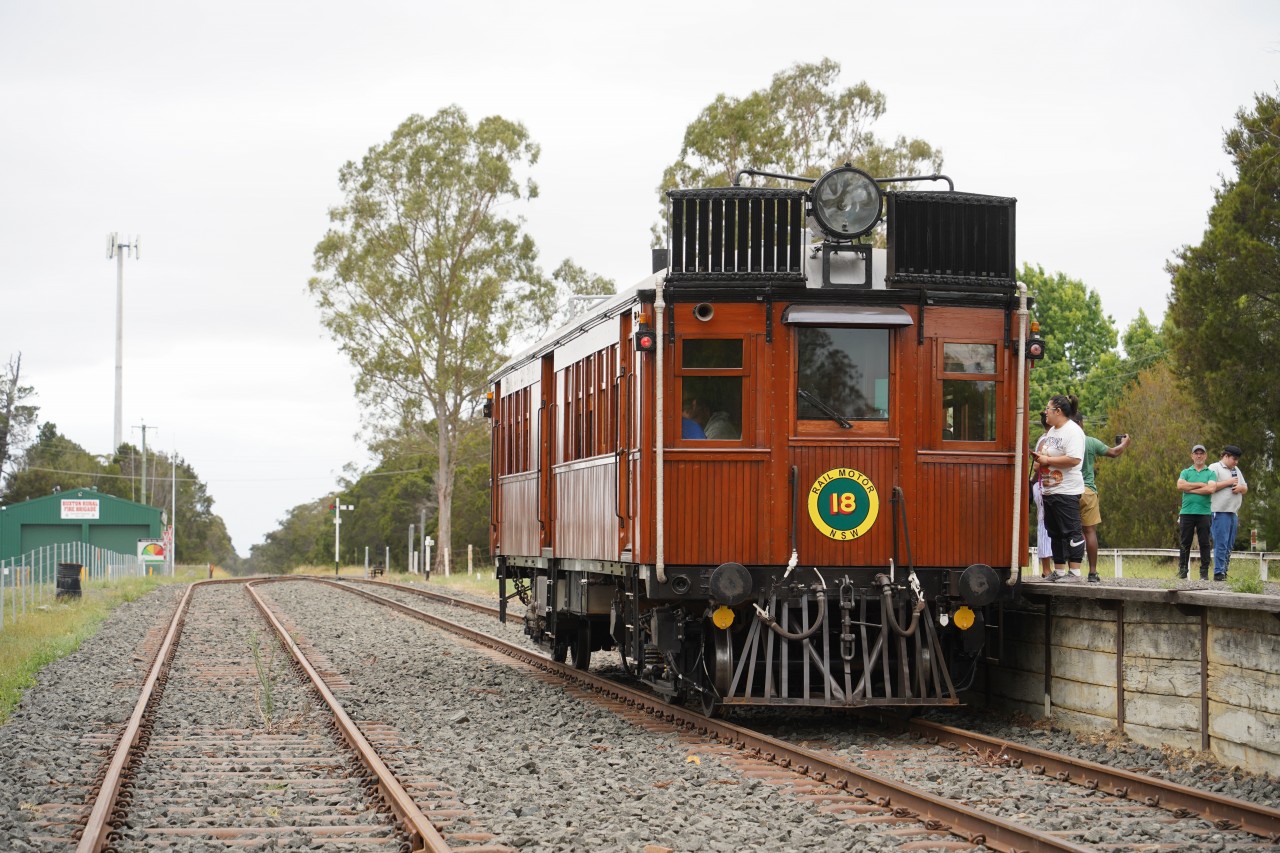
バクストン駅には構内踏切が設けられており、ホームから降りて列車を撮影することもできます。保存車両をさまざまな角度から撮影しやすく、鉄道ファンにとって嬉しい構造となっています。
Buxton Station features a pedestrian crossing within the station yard, allowing visitors to step off the platform and photograph the trains. The layout makes it easy for railway enthusiasts to capture heritage trains from a variety of angles.
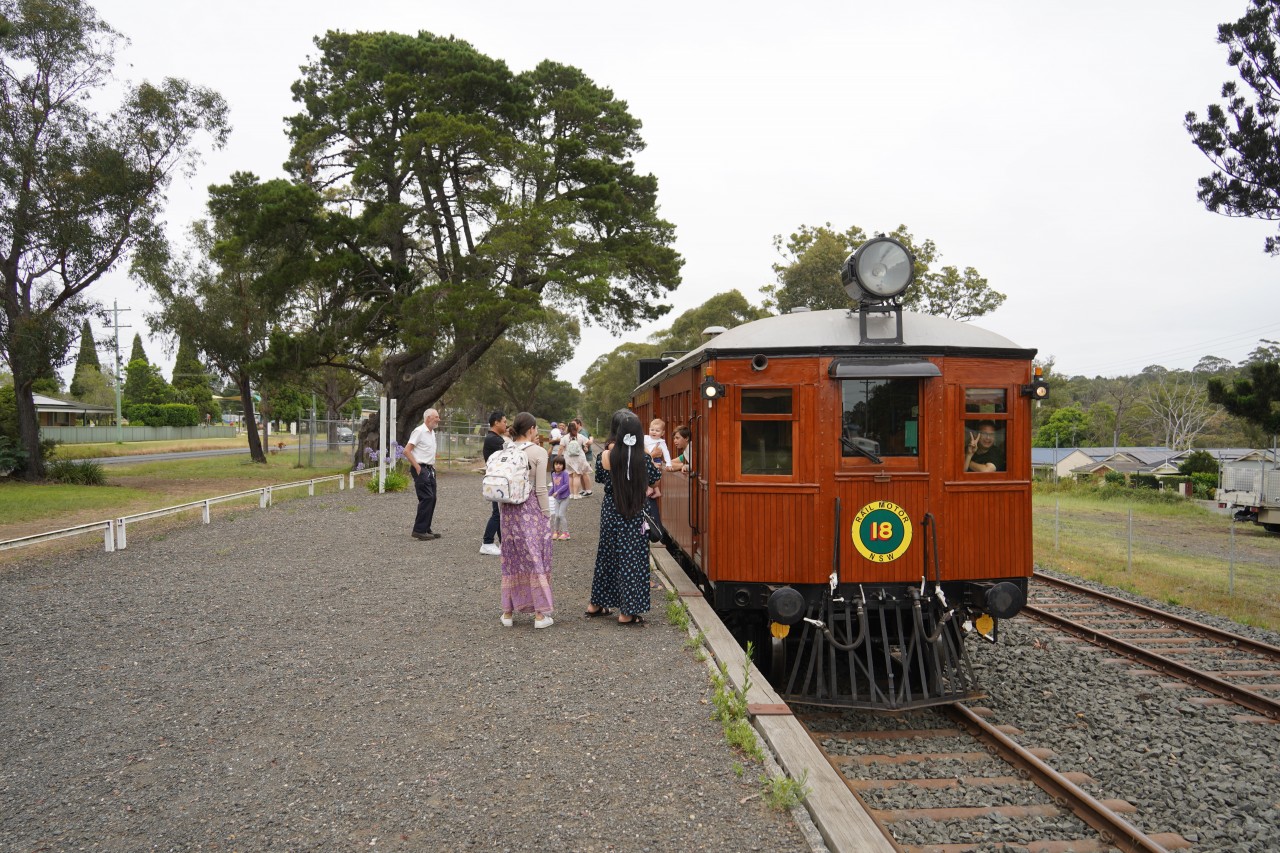
バクストン駅のプラットホーム上にはほとんど設備がないため、乗客は到着後に周囲をひと通り散策し、その後再び車内へ戻っていきます。
There is very little on Buxton Station’s platform, so after arriving, passengers typically take a short walk around the area before returning to the rail motor.
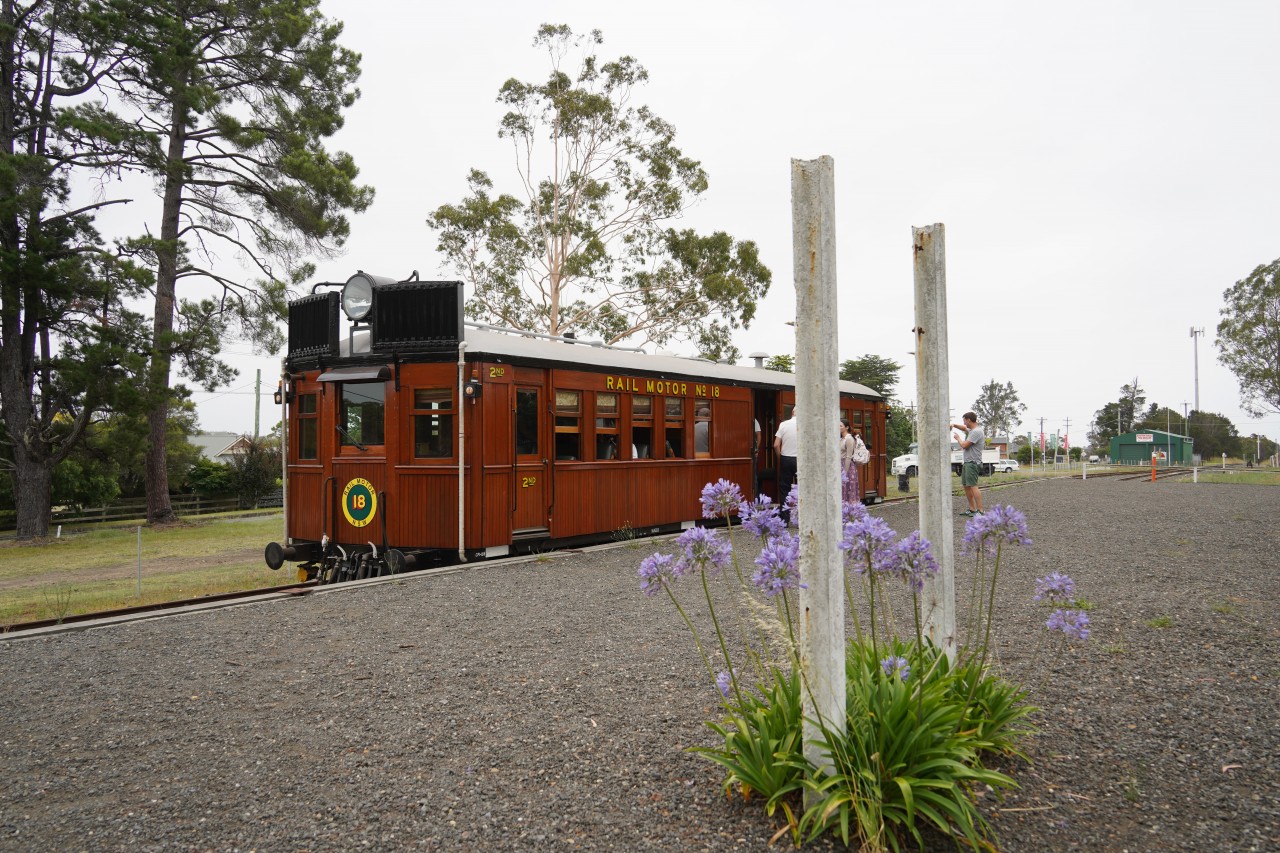
プラットホームには、かつて駅名標が取り付けられていたと思われる柱が今も残されています。ここに復元された駅名標が設置されれば、さらに往年の駅らしい雰囲気が感じられそうです。
A post that likely once supported the station name board still remains on the platform. Adding a recreated station sign would make the station atmosphere feel even more authentic and historic.
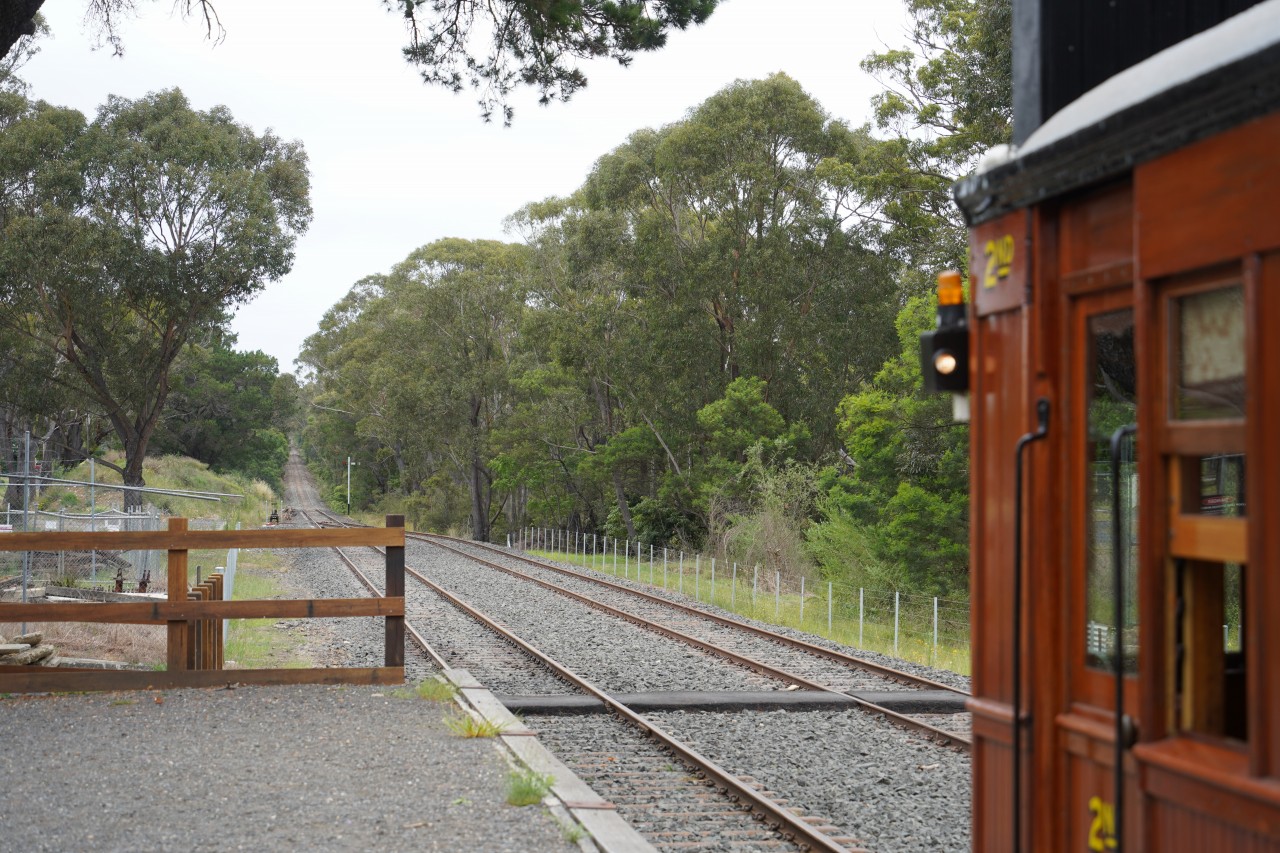
現在、バクストンからメインサザン線旧線のミタゴン方面では動態保存運転は行われていません。しかし、バクストン駅からミタゴン方面を眺めると、綺麗に整備された線路が先へ続いているように見えます。この先、ミタゴン方面への保存運転区間復活も期待したくなる光景です。
At present, heritage train operations do not continue beyond Buxton toward Mittagong on the former Main Southern Line. However, looking beyond Buxton Station toward Mittagong, the track appears to remain well maintained as it stretches into the distance. It is a scene that makes one hope the heritage railway might someday extend toward Mittagong once again.
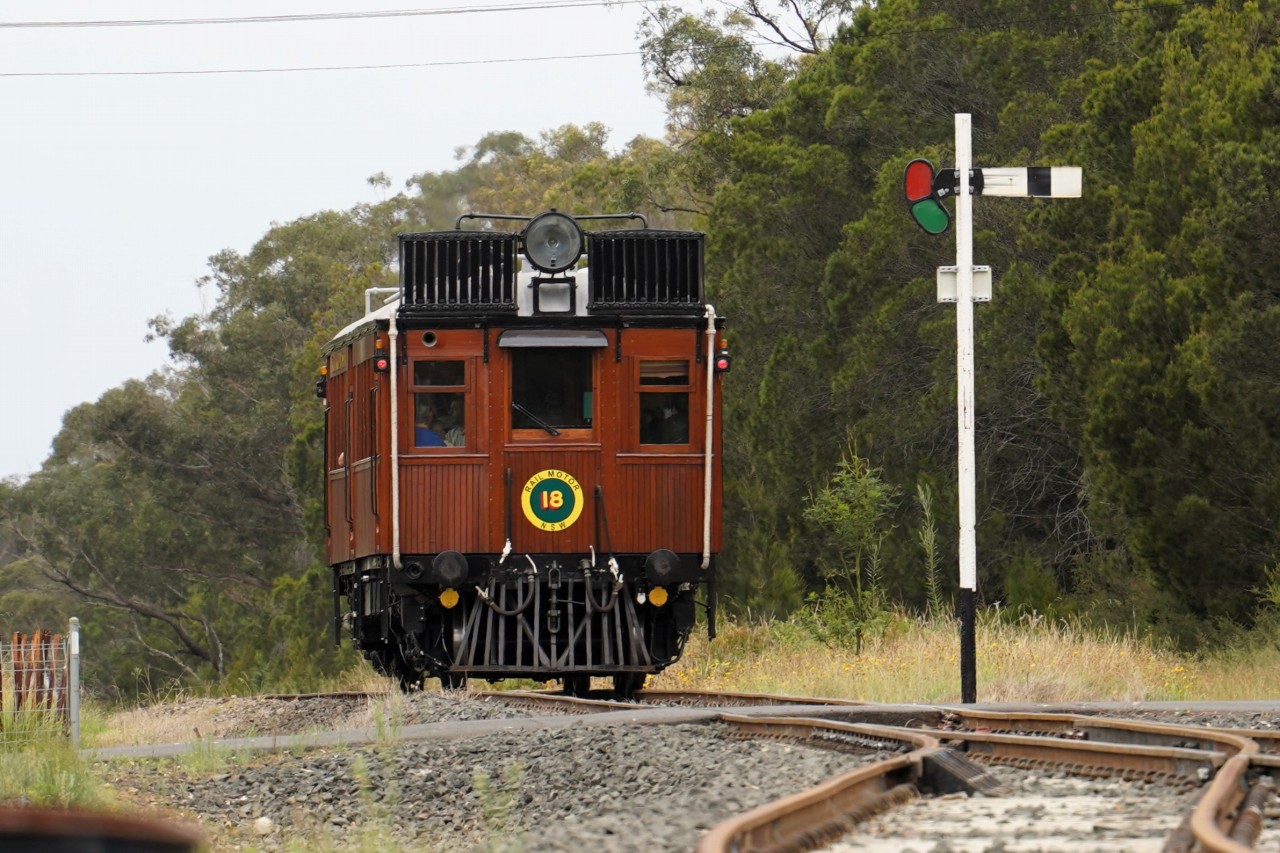
バクストン駅を発車し、サールミアへ戻るCPH18。
CPH18 departs Buxton Station and heads back toward Thirlmere.
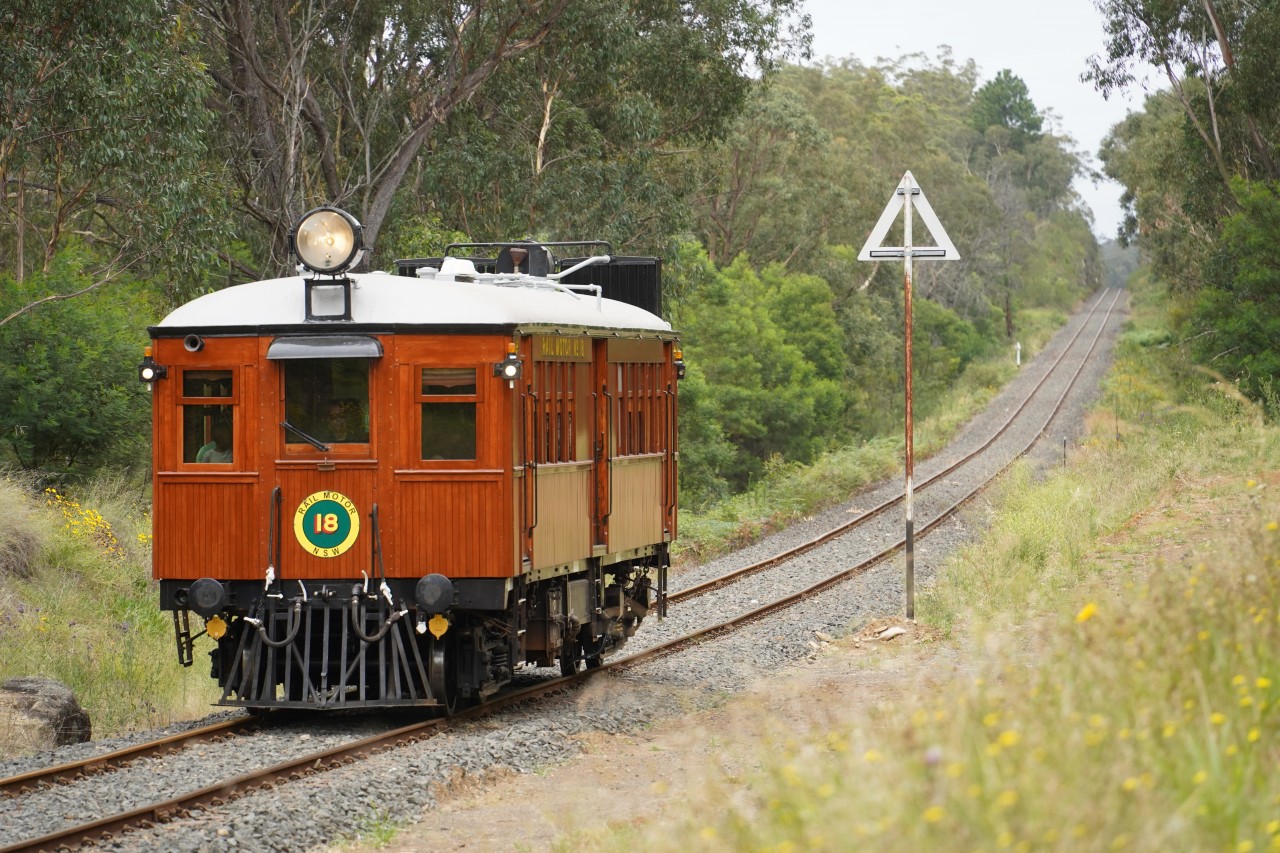
クーリジャー〜サールミア間の直線区間を走るCPH18。
CPH18 runs along the straight section between Couridjah and Thirlmere.
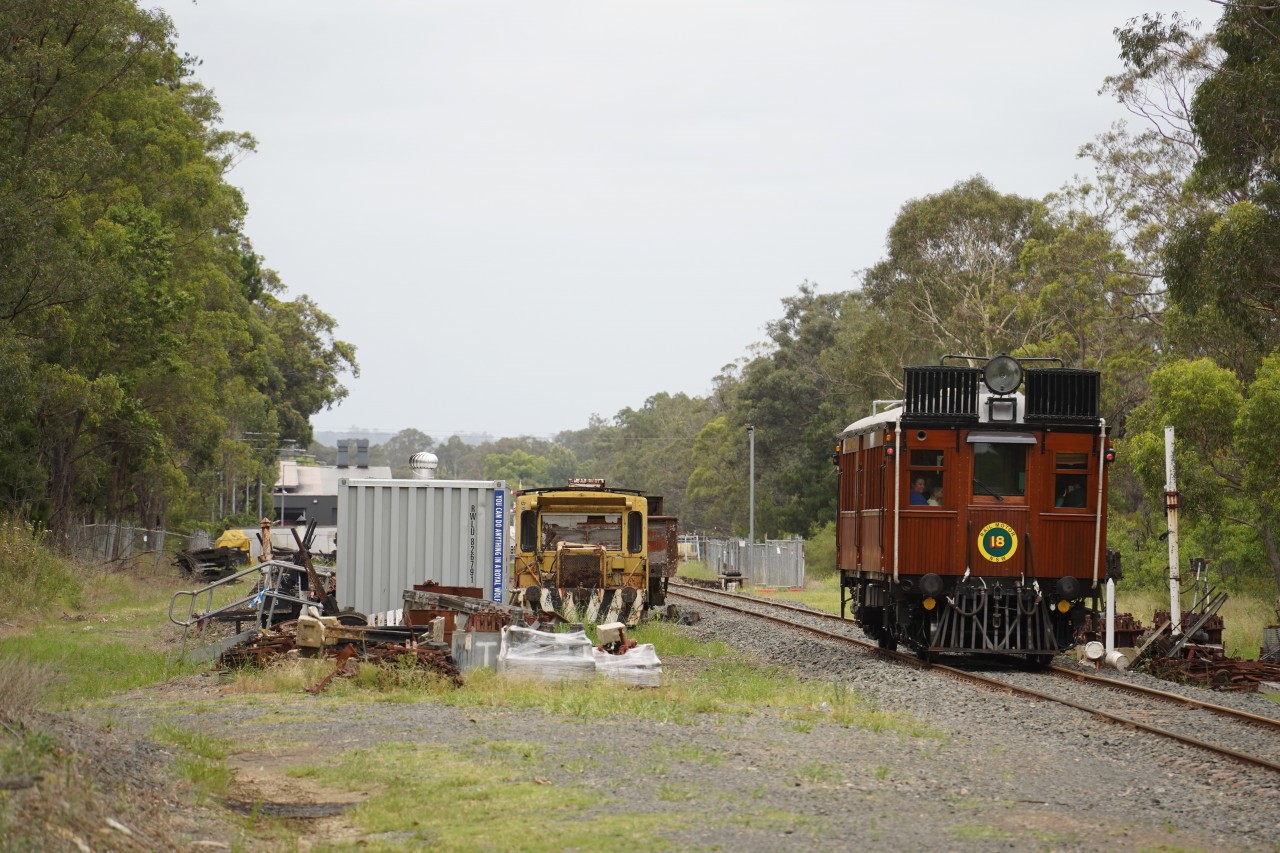
NSW鉄道博物館へ戻ってきたCPH18。プラットホームで乗客を降ろした後は、博物館の車庫内へ回送され、1日の運用を終えます。
CPH18 returns to the NSW Rail Museum. After unloading passengers at the platform, the rail motor is shunted back into the museum shed, bringing the day’s operations to an end.
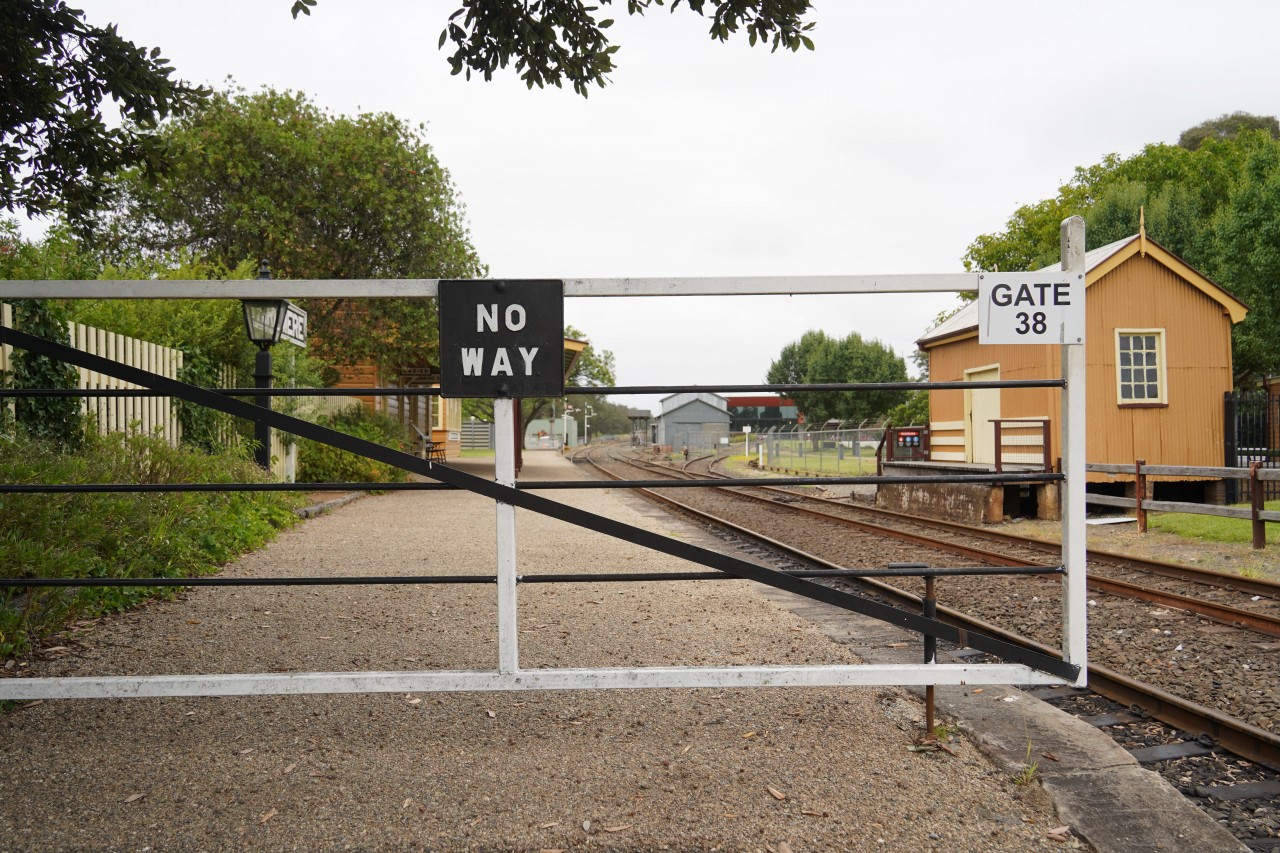
CPH18が車庫へ収まり、サールミア駅ホーム入口の柵も閉められました。柵に掲げられた「NO WAY」の看板は、本来は立入禁止を意味するものですが、英語圏では「No way!」が「まさか!」「そんな!」といった驚きや残念さを表す表現としても使われるため、博物館の営業終了後に見ると「もう終わってしまったのか」という気持ちにも重なって見えます。少しユーモラスで印象に残る締めくくりです。
CPH18 has returned to the shed, and the gate at the entrance to Thirlmere Station platform has now been closed. The “NO WAY” sign is intended to mean “No Entry,” but in English, “No way!” is also a common expression of surprise or disappointment, similar to saying “Really?” or “You’ve got to be kidding!” Seeing it after the museum closes almost makes it feel like a playful double meaning — reflecting the feeling that the day is already over. It creates a memorable and slightly humorous ending to the visit.
バクストンからサールミアまでの4K前面展望と、サールミア〜バクストン間の走行映像集。CPH気動車のエンジン音等もお楽しみください。
4K front-view footage from Buxton to Thirlmere, along with a compilation of running scenes between Thirlmere and Buxton. Please also enjoy the sound of the CPH rail motor’s engine and other operational audio.
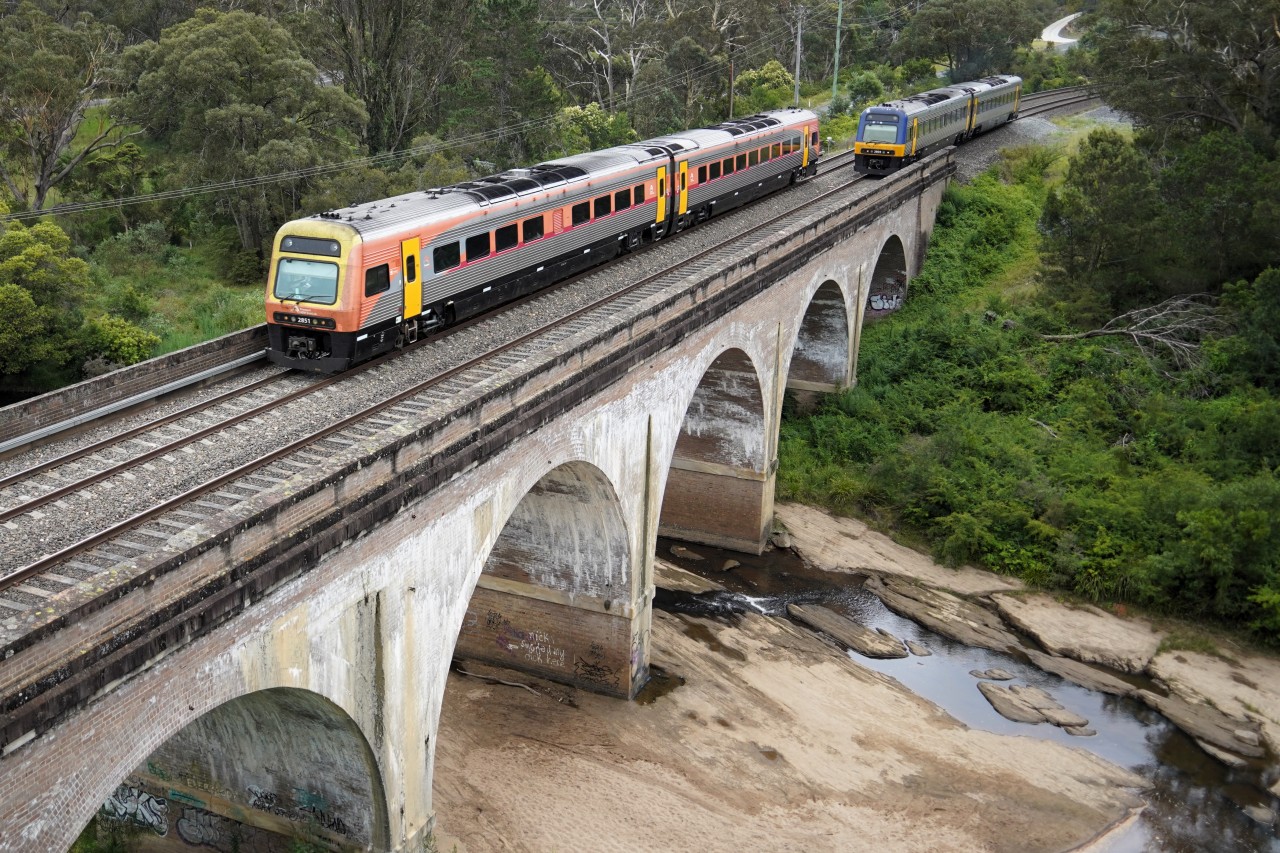
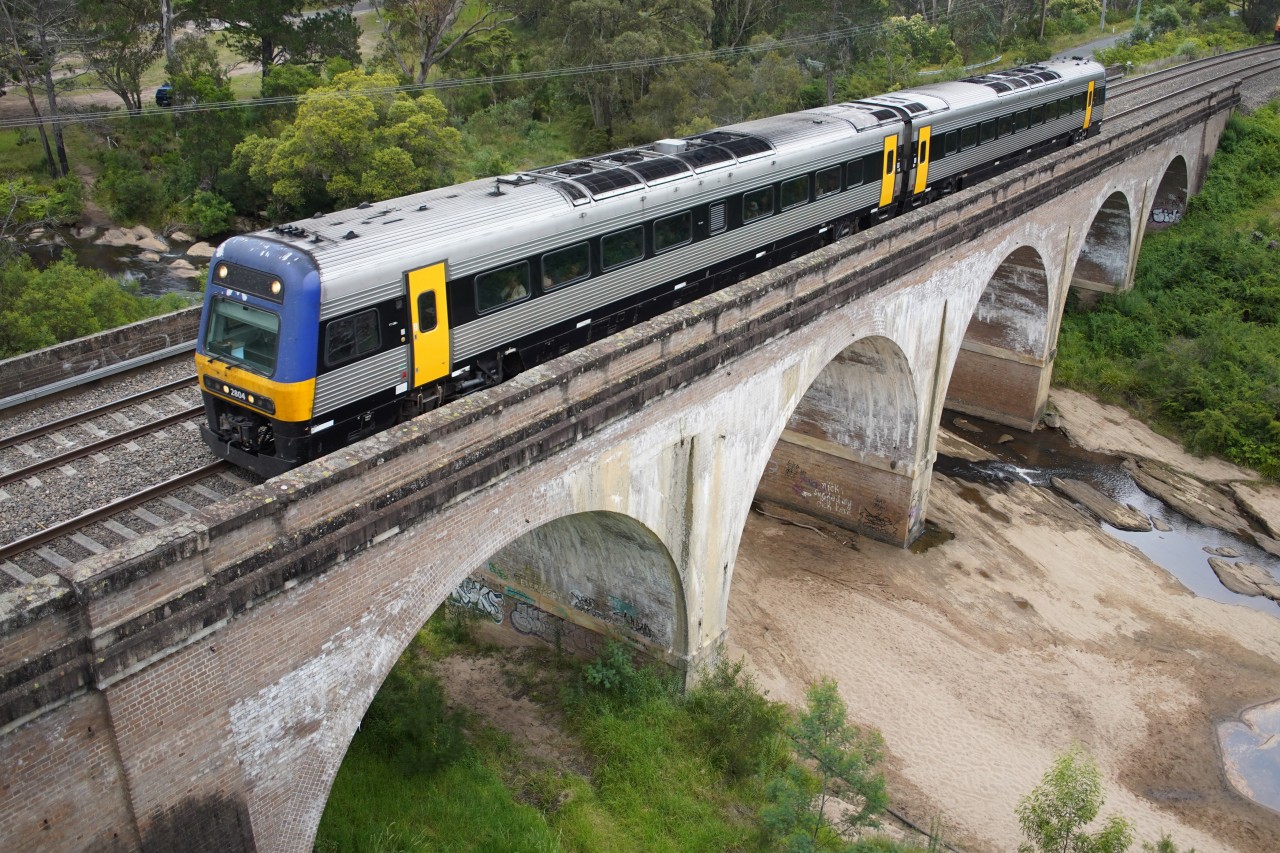
メインサザン線は新線への切り替えによってルートが変更され、旧線は保存鉄道として残されました。一方でバクストン周辺の新線区間やバゴーには美しいアーチ橋梁があり、自然豊かな環境の中を走るエンデバーやエクスプローラー、XPT、貨物列車などを撮影することができます。引退が近づいているXPTの記録撮影とあわせて、NSW鉄道博物館とセットで訪れるのも魅力的なルートと言えそうです。
The Main Southern Line was realigned to a new route, while the former alignment was preserved as a heritage railway. On the modern line near Buxton and at Bargo, there are beautiful arched viaducts set within a lush natural environment, where trains such as Endeavour, Explorer, XPT, and freight services can be photographed. With the XPT fleet approaching retirement, a visit for documentation photography combined with the NSW Rail Museum makes for an especially rewarding railway experience.
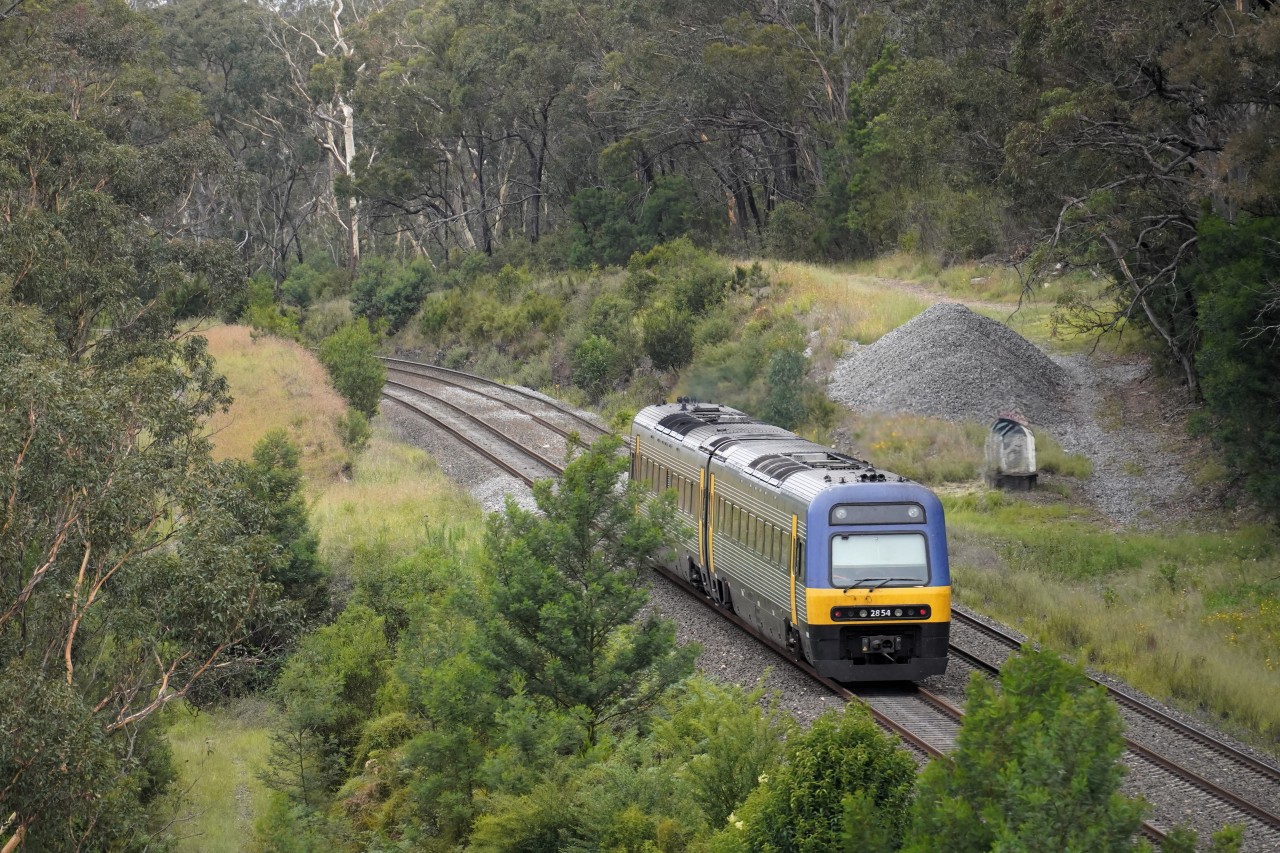
全線複線の非電化新線を走るエンデバー気動車を見送って、シドニーへ戻りました。
After seeing off an Endeavour diesel multiple unit on the fully double-tracked, non-electrified main line, I returned to Sydney.
日本に帰ってからもCPH気動車を楽しむ方法として、EUREKA MODELSによるHOスケールのCPH型気動車があります。
模型はDC・DCC両対応で、リアルなサウンド再生にも対応しています。さらに室内灯も標準装備されており、走行・外観ともに非常に完成度の高い製品となっています。
A way to continue enjoying the CPH rail motor after returning to Japan is the HO scale model produced by EUREKA MODELS.
The model is compatible with both DC and DCC operation, supports realistic sound functions, and comes with factory-fitted interior lighting, making it a highly detailed and well-finished product.
